Table of Contents
- What Makes Coral Gables Unique
- The History and Founding of Coral Gables
- Mediterranean-Inspired Architecture and Urban Planning
- Things to Do in Coral Gables
- Coral Gables Restaurants and Upscale Dining
- Coral Gables Historic Landmarks and Preservation
- Shopping and Boutique Retail Districts
- Sustainable Living and Hidden Gems
Last Updated: August 9, 2026
What Makes Coral Gables Unique
Coral Gables stands apart as one of South Florida’s most distinctive communities, blending architectural elegance with a carefully planned urban vision. The city’s defining character emerges from its Mediterranean-inspired design, tree-lined boulevards, and commitment to historic preservation that sets it apart from surrounding Miami neighborhoods. What makes Coral Gables truly unique is its intentional urban planning, every street, park, and building reflects a cohesive vision established over a century ago that remains visible today.
The community attracts corporate event planners, couples planning weddings, and marketing teams seeking distinctive venues precisely because Coral Gables offers something rare: a complete urban environment designed for memorable experiences. The walkability, upscale dining options, and architectural charm create natural backdrops for events, from intimate celebrations to large-scale brand activations. When teams at Colada Kulture Co. plan mobile coffee experiences for events across South Florida, Coral Gables consistently ranks among the most requested locations, the neighborhood’s aesthetic and audience demographics align perfectly with premium catering services.
The city’s character isn’t accidental. Every element, from the preservation of historic landmarks to the maintenance of public parks, reflects decades of civic engagement and real estate stewardship. This intentionality extends to the local economy, which balances tourism and cultural institutions with residential charm and community heritage.
The History and Founding of Coral Gables
Coral Gables was founded in 1923 by George Merrick, a visionary developer who transformed 160 acres of raw Florida land into a planned metropolitan area. Merrick’s original blueprint established the city’s foundational principles: Mediterranean-inspired architecture, tree-lined boulevards, public art installations, and preserved green spaces. This wasn’t typical real estate development, it was urban planning with a specific aesthetic and social vision.
The city’s founding era shaped everything that followed. Merrick designed Coral Gables as a "City Beautiful," incorporating principles of civic planning that emphasized walkability, architectural coherence, and community gathering spaces. The Miracle Mile, the historic Biltmore Hotel, and the carefully preserved residential neighborhoods all trace back to Merrick’s original master plan. This historical foundation explains why Coral Gables maintains such distinctive character compared to sprawling suburban development patterns common across South Florida.
The founding vision included specific design requirements for buildings, setbacks for trees, and protected sight lines for public art. These weren’t suggestions, they were enforceable standards that created the uniformity and elegance visitors and residents experience today. The city’s historic preservation efforts continue this legacy, protecting architectural landmarks and maintaining the standards Merrick established nearly a century ago.
Mediterranean-Inspired Architecture and Urban Planning
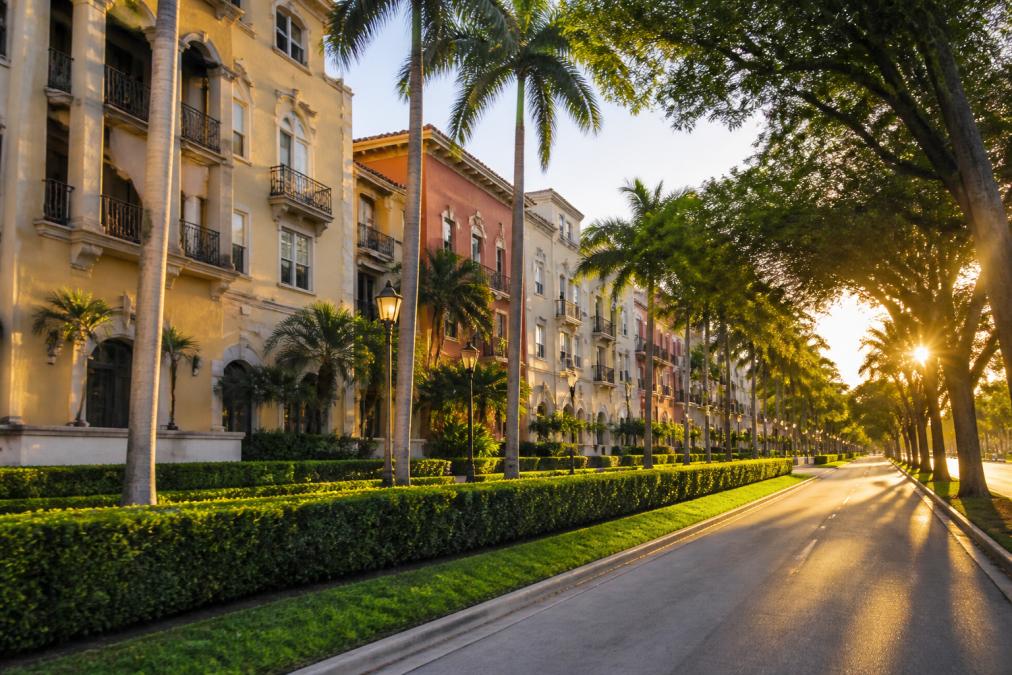
Mediterranean-inspired architecture defines Coral Gables’ visual identity and urban character. The style draws from Spanish colonial, Italian Renaissance, and Moorish influences, adapted to South Florida’s tropical climate and landscape. Distinctive elements include arched entryways, terracotta roof tiles, stucco facades in soft pastels, ornamental fountains, and courtyards designed to capture cooling breezes.
What sets Coral Gables apart is the consistency of this architectural language across the entire city. Unlike neighborhoods where Mediterranean revival sits alongside modern glass towers or mid-century ranch homes, Coral Gables enforces architectural standards that maintain visual coherence. The Coral Gables Historic Preservation Board reviews new construction and renovations to ensure compatibility with the established aesthetic. This level of preservation protects the neighborhood’s identity and explains why photographers, event planners, and marketing teams seek out Coral Gables for brand activations and celebrations.
The urban planning supporting this architecture emphasizes walkability and public gathering spaces. Wide boulevards lined with mature trees create shaded pedestrian environments. Traffic circles, plazas, and parks interrupt the street grid, providing focal points for community life. The city’s infrastructure, from street lighting to public art installations, reinforces Mediterranean design principles. This thoughtful planning creates an environment where people naturally linger, gather, and experience the neighborhood rather than simply passing through.
Things to Do in Coral Gables
Coral Gables offers diverse attractions reflecting its cultural institutions, natural spaces, and upscale retail environment. The neighborhood balances tourist destinations with local gathering spaces, creating experiences for both visitors and residents.
Parks and Outdoor Recreation
Coral Gables maintains extensive public parks and green spaces that serve as community anchors. Miracle Park sits at the heart of the Miracle Mile district, providing gathering space for events, outdoor dining, and seasonal celebrations. The park’s design reflects Mediterranean planning principles, with fountains, manicured landscaping, and shaded areas for respite from South Florida’s intense sun.
Coral Gables Museum Park offers cultural programming alongside natural landscaping. The Coral Gables Merrick House and surrounding grounds provide historical context for the city’s founding vision. Visitors explore Merrick’s original home, preserved period furnishings, and gardens that demonstrate early 20th-century landscape design.
The city’s extensive network of smaller parks and green spaces supports outdoor recreation. Venetian Pool, a historic public swimming facility built in the 1920s, attracts visitors seeking both recreation and architectural heritage. The pool’s design incorporates Mediterranean elements, with arched bridges, fountains, and tropical landscaping creating an oasis within the urban environment.
Outdoor recreation extends beyond parks. The city’s tree-lined boulevards support walking and cycling. Residential neighborhoods feature sidewalks and traffic patterns designed to encourage pedestrian movement. This infrastructure supports the neighborhood’s walkability, making outdoor exploration accessible without requiring vehicles.
Arts and Cultural Institutions
Coral Gables hosts museums, galleries, and performance spaces that establish the neighborhood as a cultural destination. The Coral Gables Museum occupies a historic building and presents exhibitions exploring the city’s architectural heritage, founding vision, and contemporary art. The museum’s programming connects visitors to the neighborhood’s identity and historical significance.
The Coral Gables Congregational Church, completed in 1927, represents architectural and cultural heritage. The church’s Spanish colonial design and interior details demonstrate the Mediterranean-inspired aesthetic applied to religious architecture. The building hosts cultural events and community gatherings beyond its primary religious function.
Gallery spaces throughout the neighborhood support local and regional artists. The Miracle Mile district contains multiple galleries featuring contemporary art, photography, and design. These spaces attract collectors, tourists, and residents seeking cultural engagement. The neighborhood’s walkability and upscale environment support the gallery district’s viability and visitor traffic.
Performance and event spaces host theater, music, and cultural programming. The Coral Gables Community Theater and various smaller venues present productions ranging from classical theater to contemporary music. These venues establish Coral Gables as a cultural hub beyond its visual and architectural appeal.
Coral Gables Restaurants and Upscale Dining
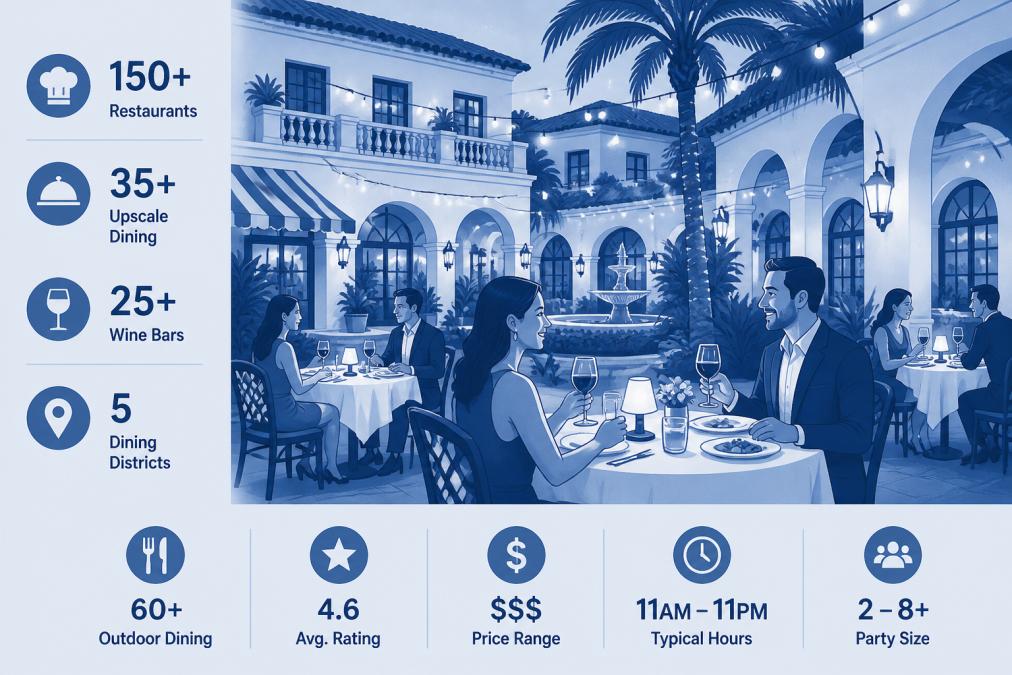
Coral Gables restaurants and upscale dining establishments reflect the neighborhood’s premium positioning and diverse culinary traditions. The Miracle Mile district concentrates dining options ranging from casual to fine dining, with international cuisines reflecting Miami’s multicultural character.
Fine dining establishments in Coral Gables emphasize quality ingredients, skilled preparation, and sophisticated service. Mediterranean and Latin American cuisines dominate the restaurant landscape, reflecting the neighborhood’s aesthetic and Miami’s cultural heritage. Upscale restaurants often feature outdoor seating in courtyards or on tree-lined streets, using Coral Gables’ architectural environment as part of the dining experience.
Casual dining options provide accessible entry points to the neighborhood’s food culture. Cafés, bistros, and specialized restaurants serve coffee, pastries, and prepared foods. These establishments support the neighborhood’s walkability, residents and visitors can access quality food without requiring reservations or formal dining. Mobile catering services like Colada Kulture Co. complement the neighborhood’s dining culture by bringing premium beverage experiences to events and private celebrations throughout South Florida.
The restaurant scene supports both tourism and local community life. Business lunches, family dinners, and celebrations all occur within Coral Gables’ dining establishments. The neighborhood’s reputation for quality dining attracts visitors specifically seeking restaurant experiences, supporting the local economy while enhancing the neighborhood’s cultural profile.
Coral Gables Historic Landmarks and Preservation
Coral Gables’ historic landmarks embody the city’s founding vision and architectural heritage. The Biltmore Hotel, completed in 1926, stands as the neighborhood’s most iconic structure. The hotel’s Mediterranean Revival design, with its 315-foot tower visible from across the city, represents the ambition and craftsmanship of the era. The building’s interior details, hand-painted ceilings, marble floors, ornamental plasterwork, demonstrate the quality standards Merrick established.
The Coral Gables City Hall, completed in 1927, reflects civic ambition through architecture. The building’s Mediterranean design, central location, and public gathering spaces reinforce the city’s identity as a planned community with civic purpose. The building remains functional while serving as a historic landmark, balancing preservation with contemporary use.
Residential neighborhoods contain numerous historic homes representing Mediterranean and Spanish colonial design. These structures, many dating to the 1920s and 1930s, demonstrate how architectural standards extended beyond commercial and civic buildings to residential construction. Preservation efforts protect these homes while allowing residents to maintain and update properties.
The Coral Gables Historic Preservation Board enforces standards protecting architectural integrity while allowing appropriate modifications. This balance maintains the neighborhood’s historic character while supporting residential and commercial viability. The preservation framework explains why Coral Gables maintains such distinctive visual identity, the standards established nearly a century ago remain enforceable today.
Shopping and Boutique Retail Districts
The Miracle Mile district serves as Coral Gables’ primary retail corridor, concentrating boutique shops, galleries, and specialty retailers. The tree-lined street features Mediterranean-style storefronts, outdoor seating, and pedestrian-focused design encouraging browsing and lingering. Retail tenants range from established luxury brands to independent boutiques featuring unique merchandise unavailable in chain retail environments.
Shopping in Coral Gables emphasizes quality and specialization over volume and convenience. Boutique retailers curate merchandise reflecting specific aesthetic or functional values. Independent coffee shops, bookstores, clothing boutiques, and home goods retailers create a retail environment distinct from suburban shopping centers. This specialization supports both tourism and local community shopping patterns.
The neighborhood’s walkability and architectural environment enhance the shopping experience. Pedestrians encounter storefronts, street art, fountains, and public spaces naturally as they move through the district. This environment encourages impulse browsing and discovery, visitors encounter unexpected shops and galleries while exploring the neighborhood. The shopping district’s integration with dining, cultural institutions, and public spaces creates a complete destination experience rather than isolated retail.
Boutique retail supports the neighborhood’s premium positioning and upscale audience. Pricing reflects quality, specialization, and limited inventory. Customers seek specific products or experiences rather than shopping for commodity goods. This retail environment attracts affluent residents and visitors willing to pay premium prices for curated selection and personalized service.
Sustainable Living and Hidden Gems
Coral Gables increasingly emphasizes sustainable living practices and environmental stewardship. The city’s mature tree canopy, preserved green spaces, and pedestrian-friendly design support lower-carbon lifestyles compared to car-dependent suburban alternatives. Residents can access shopping, dining, and cultural institutions on foot or by bicycle, reducing transportation emissions.
The neighborhood’s commitment to preservation itself reflects sustainability principles. Maintaining historic structures rather than demolishing and rebuilding conserves embodied energy and resources. Adaptive reuse of historic buildings for contemporary functions supports sustainability while preserving heritage. The city’s architectural standards, which have remained consistent for decades, reduce the pressure for constant renovation and redesign that characterizes less stable neighborhoods.
Hidden gems in Coral Gables reward exploration beyond the Miracle Mile’s primary tourist corridor. Residential streets contain parks, fountains, and public art installations that most visitors miss. The Coral Gables Merrick House and surrounding gardens offer historical context in a quieter setting than major attractions. Smaller galleries and independent shops in secondary locations provide discovery opportunities for engaged visitors.
Local secrets include neighborhood cafés, neighborhood parks, and residential streets with exceptional architecture. Walking tours reveal details, ornamental tiles, fountain designs, landscaping patterns, that casual visitors overlook. The neighborhood’s walkability supports this exploration; unlike car-dependent areas, Coral Gables invites pedestrian discovery.
The neighborhood’s seasonal event calendar brings residents and visitors together throughout the year. Holiday celebrations, cultural festivals, and community gatherings activate public spaces and reinforce neighborhood identity. These events create opportunities for memorable experiences and community connection beyond typical tourism activities.
Coral Gables represents a rare achievement: a century-old planned community that maintains its founding vision while remaining vibrant and relevant. The neighborhood’s Mediterranean-inspired architecture, commitment to preservation, and emphasis on walkability create an environment where memorable experiences naturally occur. Whether planning a corporate event, wedding celebration, or brand activation, Coral Gables’ distinctive character and infrastructure support premium experiences. Teams seeking to elevate events in South Florida increasingly recognize the neighborhood’s value. Colada Kulture Co. specializes in bringing custom specialty coffee experiences to Coral Gables venues, our professional baristas deliver fresh espresso, matcha, and seasonal drinks that complement the neighborhood’s upscale environment. Request a quote to explore how premium mobile coffee catering can enhance your next Coral Gables event.
Frequently Asked Questions
Is Coral Gables a nice part of Miami?
Coral Gables is one of Miami's most prestigious neighborhoods, known for its Mediterranean-inspired architecture, tree-lined boulevards, and strong community heritage. The area attracts professionals, families, and visitors seeking upscale shopping, fine dining, and cultural attractions. Its urban planning emphasizes walkability and preservation of historic landmarks, making it a desirable destination for both residents and tourists exploring South Florida.
What is the history behind Coral Gables' architecture?
Coral Gables was founded in 1921 as a planned community designed around Mediterranean Revival architecture. The neighborhood's distinctive style features pastel-colored buildings, arched entrances, decorative fountains, and tree-lined streets. This architectural vision was intentional, urban planners created a cohesive aesthetic that emphasizes community heritage and civic engagement. Today, historic preservation efforts protect these iconic structures, maintaining Coral Gables' status as a cultural destination.
Is Coral Gables walkable for tourists?
Yes, Coral Gables is highly walkable, especially in its central districts around Miracle Mile and the Village of Merrick Park. Tree-lined boulevards, public art installations, and proximity to shops, restaurants, and parks make exploring on foot enjoyable. However, some residential areas and attractions require short drives. Most visitors find the walkable core sufficient for experiencing the neighborhood's cultural corridor, upscale retail, and fine dining options.
What are the best things to do in Coral Gables?
Top activities include visiting the Biltmore Hotel and historic landmarks, exploring public parks like Miracle Mile and Merrick Park, browsing boutique retail shops, enjoying fine dining at acclaimed restaurants, and discovering public art throughout the neighborhood. Cultural institutions, seasonal events, and the tropical climate support year-round outdoor recreation. Hidden gems include local cafes, wellness centers catering to digital nomads, and preserved historic sites that showcase the city's unique character.
This article was written using GrandRanker