Table of Contents
- Understanding Event Catering Services
- Wedding Catering Packages and Options
- Corporate Event Catering Services for Your Team
- Mobile Coffee Cart Rental for Unique Beverage Experiences
- Specialty Menu Options and Dietary Accommodations
- What to Look for When Hiring a Professional Caterer
- Event Logistics and Vendor Coordination
- How to Budget and Plan Your Catering Timeline
Last Updated: August 18, 2026
Understanding Event Catering Services
Event catering services transform gatherings into memorable culinary experiences. At Colada Kulture Co., we understand that catering goes far beyond delivering food, it’s about creating moments guests remember long after the event ends. The foundation of successful event catering rests on three pillars: menu customization, professional service delivery, and seamless coordination. Full-service catering typically includes menu planning, food preparation, staffing, setup, service, and cleanup, though some caterers offer à la carte options where you select only the services you need.
Wedding Catering Packages and Options
Wedding catering packages represent one of the most critical decisions in event planning because food directly impacts guest satisfaction and atmosphere. Most wedding caterers offer tiered packages ranging from casual buffet-style service to plated multi-course dinners.
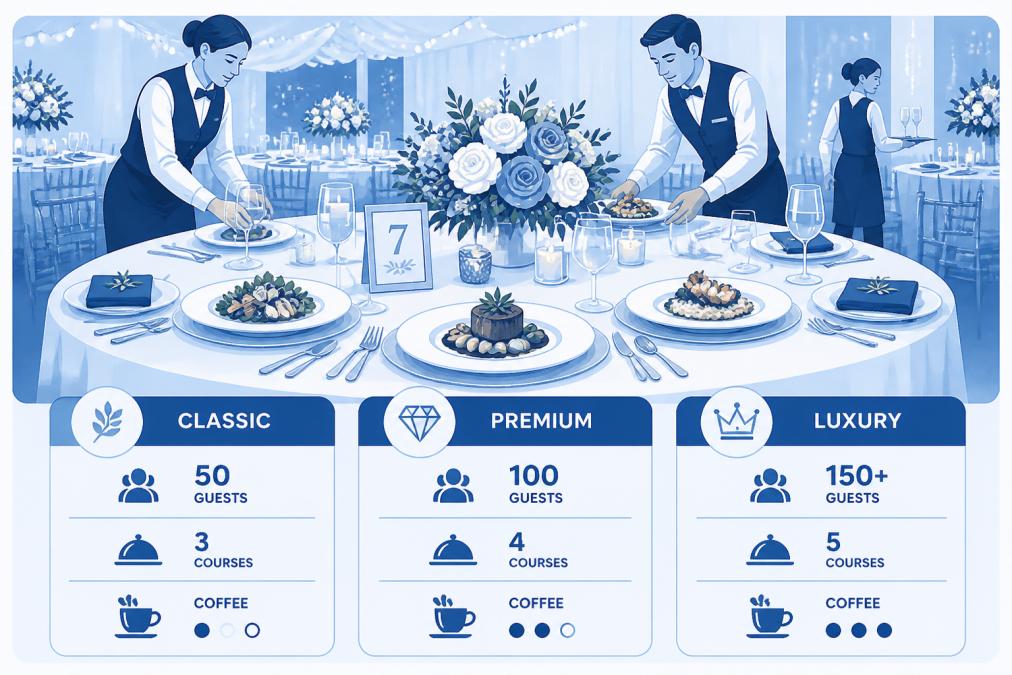
Typical packages fall into three categories. Plated service delivers individual portions to seated guests, creating a formal dining experience with precise portion control. Buffet service offers guests flexibility to choose selections while reducing labor costs. Family-style service places large platters on tables for guests to share, creating an intimate, communal atmosphere.
When evaluating packages, consider what’s included beyond food: waitstaff, bartenders, linens, china, glassware, and serving utensils. Many caterers include a tasting session where you sample proposed menus before committing, this is essential for wedding planning. Seasonal menus offer strategic advantages, delivering better flavor and lower costs by sourcing naturally abundant ingredients.
Request a detailed breakdown of what’s included in each package tier. Some caterers bundle service staff, rentals, and bar service into one price, while others itemize everything separately. Understanding the true cost structure prevents surprise additions at billing time.
Corporate Event Catering Services for Your Team
Corporate event catering spans a wider range than wedding catering because business events vary dramatically in formality and purpose. A 30-person lunch meeting requires different logistics than a 500-person annual gala.
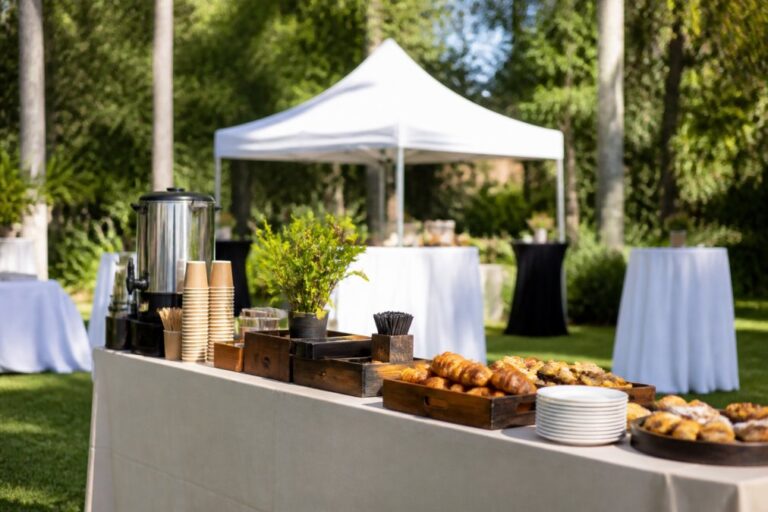
Most corporate catering falls into distinct categories: breakfast and brunch for morning meetings, lunch catering ranging from casual box lunches to plated meals, afternoon refreshments to maintain energy during long meetings, and evening receptions requiring different staffing and bar management.
What separates exceptional corporate catering is responsiveness to your timeline and space constraints. Professional corporate caterers understand loading dock access, kitchen limitations, power requirements, and timing coordination. Employee appreciation events benefit from thoughtful menu choices reflecting company values, sustainable sourcing or inclusive dietary options signal that leadership values employee wellbeing.
The best corporate caterers ask about your event’s business purpose, not just guest count and budget. This context helps them recommend service styles and menu options that actually support your objectives.
Mobile Coffee Cart Rental for Unique Beverage Experiences
Mobile coffee cart rental has evolved from a novelty into a sophisticated event service that creates interactive, Instagram-worthy experiences guests genuinely enjoy. A professional mobile coffee cart serves as both a functional beverage station and a visual focal point that elevates event atmosphere.
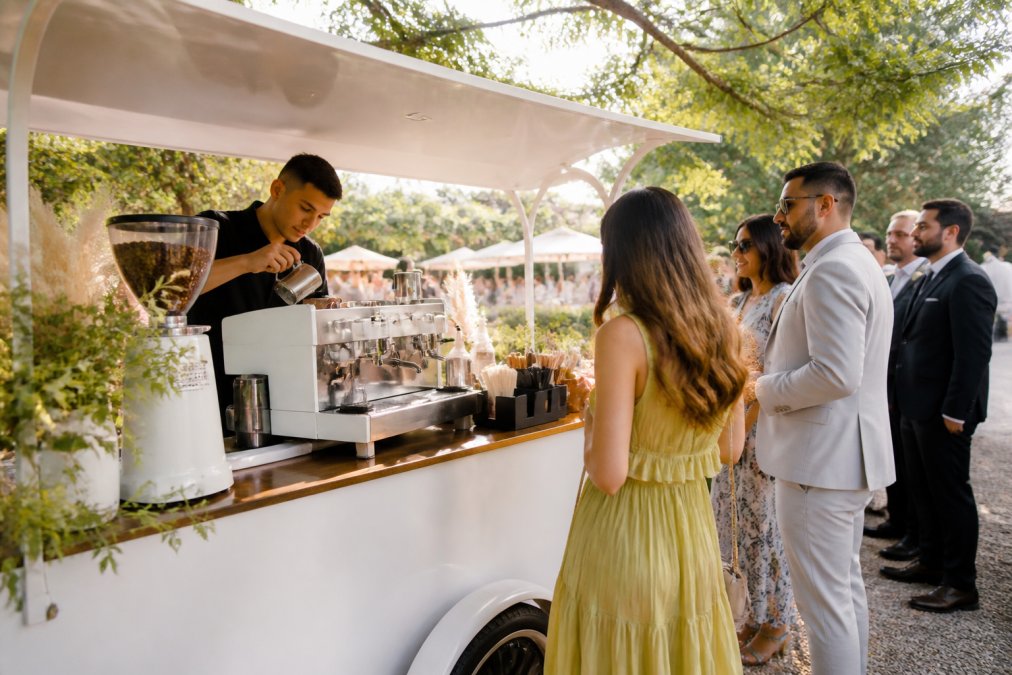
The appeal lies in their flexibility and engagement factor. Unlike traditional beverage stations where drinks sit pre-made and grow cold, a mobile cart offers fresh-made beverages prepared to order. Guests watch skilled baristas craft their drinks, creating a sensory experience that extends beyond taste to include aroma, sound, and visual presentation.
Colada Kulture Co. specializes in mobile coffee cart rental that transforms event beverage service. The service includes professional baristas, customizable drink menus ranging from classic espresso drinks to specialty options, and flexible setup adapting to your venue’s requirements. Menu customization represents a key advantage, you can offer signature drinks reflecting your event theme or brand identity. A wedding might feature custom-labeled lattes with the couple’s names. A corporate activation could highlight company colors through latte art.
Professional cart rental services handle logistics proactively, arriving early to assess setup requirements and troubleshoot potential issues. Power requirements, water access, waste management, and space allocation need coordination with your venue before the event date.
Confirm power and water requirements with your venue well in advance. Some high-rise offices or outdoor locations present challenges that catch unprepared vendors off guard. A professional caterer identifies these constraints during initial consultation and proposes solutions.
Specialty Menu Options and Dietary Accommodations
Modern event catering demands sophisticated understanding of dietary restrictions, cultural food practices, and nutritional preferences. The caterers who excel treat dietary accommodations as opportunities for creativity rather than constraints.
Gathering accurate dietary information from your guest list is the first step. Most professional caterers provide a response card or online form where guests specify dietary needs. Menu flexibility allows caterers to accommodate diverse needs without requiring completely separate meal tracks. A skilled chef can prepare a base protein that serves most guests, then create variations for those with specific restrictions.
Kosher Catering for Religious and Cultural Events
Kosher catering requires specific knowledge of Jewish dietary laws and religious observance practices. Unlike other dietary restrictions focusing on ingredients or preparation methods, kosher catering involves detailed rules about which foods are permitted, how they’re prepared, which utensils can be used, and how different food categories can be combined.
JM Food Design | Miami specializes in luxury kosher event catering with over 20 years of experience serving high-end celebrations. Their expertise extends beyond basic kosher compliance to understanding Shabbat catering, holiday-specific requirements, and the cultural significance of food choices within Jewish celebrations. They work as the exclusive caterer for The Shul in Bal Harbour, a premier event venue designed specifically for Jewish celebrations.
Shabbat catering presents unique requirements because cooking is prohibited from Friday evening through Saturday evening during the Jewish Sabbath. Caterers must prepare all food in advance, then use specialized warming equipment that maintains food temperature without technically "cooking" during Shabbat. Certified kosher catering requires ongoing certification from a recognized rabbinical authority, with the caterer’s kitchen, equipment, and ingredients undergoing inspection and approval.
Gourmet Menus and Luxury Dining Experiences
Gourmet catering elevates event dining from functional meal service to culinary artistry. A gourmet caterer approaches menu planning as a chef would approach a restaurant tasting menu, considering flavor profiles, seasonal ingredients, presentation aesthetics, and the progression of courses.
Luxury dining experiences distinguish themselves through several hallmarks: ingredient quality sourcing premium proteins and fresh seasonal produce, technique reflecting classical culinary training and precise cooking, presentation treating each plate as a canvas, and service style including trained waitstaff who understand proper service sequences.
Eggwhites Catering, an award-winning Miami caterer with roots dating to 1994, exemplifies the gourmet approach. Their reputation for excellence in high-end weddings and corporate galas reflects commitment to sophisticated menus, impeccable execution, and attention to detail.
A multi-course gourmet menu typically includes amuse-bouche, appetizer, soup or salad course, main course, and dessert, often with wine pairings. This structure creates rhythm and anticipation throughout the meal. Palate cleansers between courses prepare guests for the next flavor profile.
Request a tasting menu from gourmet caterers before committing. This reveals how the caterer presents food, manages timing, and executes the service style.
Sustainability and Eco-Friendly Catering Practices
Sustainability in catering addresses environmental impact across sourcing, preparation, service, and waste management. Sustainable sourcing prioritizes local and seasonal ingredients that require less transportation and storage. A caterer buying produce from regional farms reduces carbon footprint while supporting local economies and accessing fresher ingredients.
Waste reduction represents another critical sustainability area. Eco-conscious caterers use reusable serving dishes, compostable or recyclable serving ware, and portion planning that minimizes food waste. Some caterers partner with food rescue organizations to donate excess prepared food rather than discarding it.
Chez Gourmet Catering demonstrates sustainability commitment through on-site food preparation using locally-sourced, premium ingredients including herbs from their own garden. Over 25 years of service across South Florida reflects their ability to deliver sustainable practices without compromising culinary quality.
What to Look for When Hiring a Professional Caterer
Selecting the right caterer requires evaluating multiple dimensions beyond menu options and pricing.
Experience with your event type matters significantly. Ask specifically about events similar to yours regarding guest count, venue type, and service style, and request references from those events.
Staff quality and training directly impacts your event experience. Professional waitstaff, bartenders, and kitchen support should demonstrate knowledge, attentiveness, and problem-solving ability. During tastings, observe how the catering team interacts with you and whether they ask clarifying questions.
Venue familiarity and logistics expertise separates competent caterers from exceptional ones. A caterer who’s worked at your venue understands its quirks, kitchen access, power availability, and space constraints. Even if they haven’t worked at your specific venue, ask how they assess new spaces.
Menu flexibility and dietary accommodation approach reveals whether a caterer views restrictions as obstacles or opportunities. The best caterers ask detailed questions and propose creative solutions.
Communication style and responsiveness predict how smoothly planning will proceed. A caterer who responds promptly, remembers details, and proactively updates you reduces stress.
References and social proof provide validation beyond marketing claims. Talk to actual clients about whether the caterer delivered what was promised and handled unexpected issues professionally.
Event Logistics and Vendor Coordination
Event logistics determine whether your catering service runs smoothly. Logistics encompasses timing coordination, space management, equipment setup, staffing deployment, and contingency planning.
The catering timeline begins weeks before your event. The caterer needs your confirmed guest count at least two to three weeks prior to finalize food quantities and staffing. Menu selections should be locked in similarly early. Dietary information should be collected and communicated at least one week before the event.
Setup timing requires coordination with your venue and other vendors. The caterer typically arrives 1-2 hours before guest arrival to set up serving stations and prepare for service. During the event, the catering team manages food temperature, replenishes serving stations, and adapts to real-time changes.
Venue-specific requirements demand careful coordination. A high-rise downtown office might have strict loading dock hours and limited kitchen access. An outdoor venue requires contingency plans for weather and power generation. A historic venue might restrict where equipment can be placed.
Vendor coordination extends beyond just the caterer. If your event includes florists, photographers, or entertainment, the caterer needs to understand their setup requirements so everyone can work efficiently.
Create a detailed event timeline that includes setup start time, guest arrival, each service transition, and cleanup completion. Share this timeline with all vendors at least one week before the event.
How to Budget and Plan Your Catering Timeline
Catering typically represents 20-40% of total event budget, making it one of the largest expenses. Smart budgeting balances quality with realistic financial constraints.
Begin with your total event budget and determine what percentage you’re comfortable allocating to catering. Knowing this number upfront helps you evaluate caterers realistically.
Catering pricing typically breaks down into per-person food costs, service staff, rentals, and optional add-ons. A basic plated dinner might cost $45-75 per person for food, with additional charges for bar service, premium beverages, or specialty rentals. Understanding these components helps you make trade-off decisions.
Hidden costs catch many event planners off guard. Service charges (typically 18-22% of catering costs), gratuity for staff, rental fees, and charges for dietary accommodations can add 30-40% to the base catering quote. Ask caterers to provide comprehensive quotes that itemize all charges.
The planning timeline should begin 3-4 months before your event. Initial consultation with potential caterers should happen 8-12 weeks out. Menu finalization should occur 4-6 weeks prior. Guest count confirmation and dietary information collection should happen 2-3 weeks before the event. Final walk-throughs and logistics confirmation happen 1 week prior.
Colada Kulture Co. offers customizable catering packages that scale with your needs, whether you’re planning an intimate 30-person corporate appreciation event or a 300-person wedding reception. Their approach to transparent communication and detailed planning helps you understand exactly what you’re investing in and what to expect on event day.
Catering transforms an event from a gathering into an experience your guests remember. The right caterer brings professional expertise, culinary skill, and logistical precision that elevates every aspect of your celebration. Whether you’re seeking the interactive engagement of a mobile coffee cart rental, the sophistication of gourmet menus, or the specialized expertise of kosher catering, the key is finding a partner whose strengths align with your vision. Colada Kulture Co. specializes in creating unforgettable beverage experiences through premium mobile coffee cart and trailer catering services designed specifically for weddings, corporate events, and brand activations. Request a quote to explore how custom specialty coffee experiences can elevate your next event.
| Event Type | Typical Per-Person Cost Range | Service Style | Best For |
|---|---|---|---|
| Corporate Lunch | $25-50 | Buffet or plated | Working meetings, team appreciation |
| Wedding Reception | $60-150+ | Plated or family-style | Formal celebrations, multi-course dining |
| Mobile Coffee Service | $7+ per person | Interactive bar service | Beverages, engagement, visual appeal |
| Cocktail Reception | $35-75 | Passed appetizers, stations | Networking events, brand activations |
| Casual Catering | $20-40 | Buffet | Small gatherings, informal events |
FTC guidelines on event vendor transparency and consumer protection
National Catering Association standards for food safety and service excellence
Sustainable Food Service Institute best practices for eco-friendly event catering
Frequently Asked Questions
How far in advance should I book a caterer for my wedding?
Book your caterer 6-12 months in advance for weddings, especially during peak season (May-October). Corporate events typically need 4-8 weeks notice. Early booking ensures your preferred caterer is available and allows time for menu tastings and customization. Last-minute bookings may limit your menu options and pricing flexibility.
Do catering companies offer mobile coffee cart rental for events?
Yes, many premium catering companies now offer mobile coffee cart rental as part of their services. These carts provide on-site specialty coffee preparation with professional baristas, perfect for weddings, corporate events, and brand activations. Mobile coffee carts create an interactive guest experience and can be customized with branded cups and logos to match your event theme.
What should I look for when hiring a professional event caterer?
Prioritize caterers with proven experience in your event type, references from similar events, and a portfolio showing food presentation quality. Verify they handle your dietary requirements and have professional staff trained in service standards. Confirm their ability to manage your venue's logistics, including power requirements and loading access. Request a tasting session before committing.
How do I determine the right amount of food for my guest count?
Most caterers recommend 1.5-2 pounds of food per person for a full meal, 0.75-1 pound for a cocktail reception, and 0.25-0.5 pound for appetizers only. Your caterer will adjust based on event duration, meal type, and guest demographics. Discuss your specific event format to ensure accurate portions that prevent both shortages and excessive waste.
This article was written using GrandRanker