Table of Contents
- Mobile Coffee Trailer Rental Miami: What Sets Colada Kulture Apart
- Mobile Espresso Bar Rental Cost: What Actually Drives the Quote
- Wedding Coffee Cart Rental: Late-Night Espresso That Guests Remember
- Corporate Event Coffee Catering: Branded Activations and Office Appreciation
- Power, Permits, and Space: The Logistics Competitors Skip
- Sustainability and Service Details That Shape the Experience
- How to Book a Mobile Coffee Trailer for Your Event
- Conclusion: Is Colada Kulture the Right Fit for Your Event?
- Frequently Asked Questions
Last Updated: October 2, 2026
Mobile Coffee Trailer Rental Miami: What Sets Colada Kulture Apart
Mobile coffee trailer rental Miami is a premium catering category, and Colada Kulture Co. sits at its center with a fully equipped trailer and cart operation built for weddings, corporate events, and brand activations across South Florida.
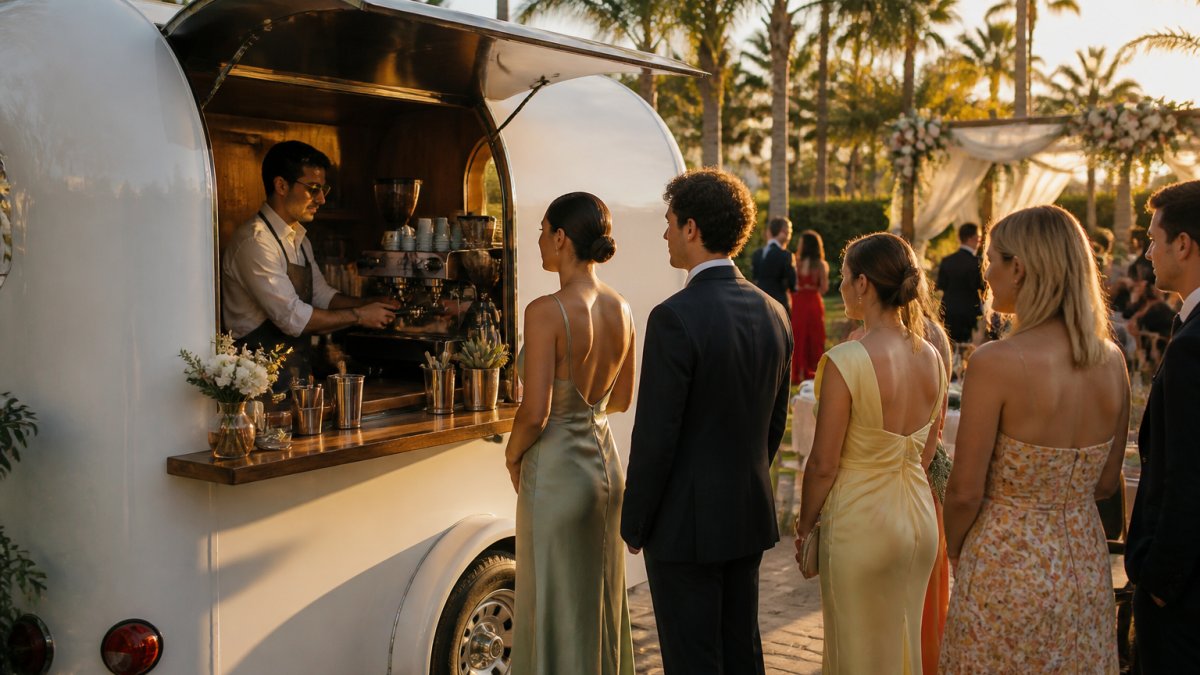
The mobile espresso bar category has grown because planners want more than a folding table and a thermos. A real trailer brings a commercial espresso machine, refrigeration, and a barista who can pull consistent shots for hours.
Cart vs. Trailer: Which Setup Fits Your Event
A cart suits indoor venues with tight access; a trailer suits outdoor spaces and larger guest counts.
Carts roll through standard doorways and fit on balconies or rooftop terraces. Trailers need vehicle access and a level pad, but they carry more equipment and serve lines faster.
The Verdict at a Glance
Colada Kulture Co. is the strongest pick for premium events that need aesthetic presentation and reliable service. The tradeoff is that pricing requires a custom quote rather than a posted rate.
| Factor | What to Expect |
|---|---|
| Setup options | Cart and trailer |
| Service area | Miami-Dade, Broward, Palm Beach |
| Menu | Espresso, matcha, seasonal drinks |
| Milk options | Whole, oat, almond |
| Pricing | Custom quote |
Mobile Espresso Bar Rental Cost: What Actually Drives the Quote
Mobile espresso bar rental cost depends on guest count, service hours, menu complexity, and travel distance. No honest vendor quotes a flat number before knowing those four variables, but you can still build a realistic budget by understanding how each one moves the price.
Guest Count and Service Hours
Labor is the largest line item, and labor scales with both headcount and time.
- 75 guests, two hours: One barista handles it comfortably. Expect the lowest tier of any quote.
- 150 guests, three hours: Two baristas, or one barista plus a runner. This is the most common wedding and corporate tier.
- 300 guests, four hours: Two to three baristas and a trailer setup. Labor and equipment both step up.
If your headcount is still moving, ask for a per-guest estimate alongside the flat quote. A per-guest figure lets you re-budget in minutes when the RSVP list changes, instead of re-opening the whole negotiation.
Menu Complexity and Add-Ons
A straight espresso and drip menu moves fast and costs the least. Every addition adds prep time, ingredients, and sometimes equipment:
- Milk alternatives (oat, almond), usually included, occasionally a small upcharge.
- Matcha and specialty lattes, add prep time per drink, which is why they push you toward a second barista at higher headcounts.
- Cold brew and iced drinks, require refrigeration and pre-batching, so they are easier to add to a trailer than a cart.
- Pastries and food pairings, priced per piece and often sourced from a separate vendor.
- Branded cups and custom drink names, a per-unit cost that scales with guest count, and the item most likely to be quoted separately.
Cart Versus Trailer Economics
A cart is cheaper to book because it carries less equipment and needs less labor to set up. A trailer costs more upfront but serves lines faster and removes the venue-power variable, which can save money if the alternative is renting a generator. For events under roughly 100 guests, the cart is almost always the better value.
Travel and Service Area
Travel distance affects the quote through mileage and setup time. A vendor based in one part of the service area may charge a travel fee to reach a venue at the far edge of it. Ask whether the quote includes travel or lists it separately, it is the line item most often added after the fact.
Ask for a per-guest estimate alongside the flat quote. It makes budgeting easier when your headcount is still shifting.
What a Quote Should Itemize
A transparent quote breaks out labor, equipment, menu, travel, and any add-ons. If a vendor returns a single lump sum with no breakdown, ask for the line items before you compare it to another bid, otherwise you are comparing a cart price to a trailer price and calling it a fair fight.
Wedding Coffee Cart Rental: Late-Night Espresso That Guests Remember
Wedding coffee cart rental works best as a late-night station, not a cocktail-hour add-on. Guests who have been dancing for two hours want caffeine, and a warm espresso at 10 p.m. lands harder than another passed dessert.
Menu Pairings for Receptions
Match the menu to the reception’s mood. An elegant plated dinner pairs with a tight espresso and cappuccino list. A relaxed outdoor celebration can carry iced drinks, cold brew, and matcha.
- Espresso and cortado for a formal dinner
- Cappuccino and latte for a mixed crowd
- Iced lattes and cold brew for warm evenings
- Matcha for guests who skip coffee
Timing the Cart Around Your Reception Schedule
Slot the cart after dinner and before the send-off. A two-hour window covers the post-dinner lull and the dance-floor break. Coordinate with your planner so the cart does not compete with the cake cutting or the first dance.
Corporate Event Coffee Catering: Branded Activations and Office Appreciation
Corporate event coffee catering serves two very different jobs: a branded activation that draws foot traffic, and an office appreciation event that says thank you to a team. Colada Kulture Co. handles both, and the setup changes with the goal.
Branding and Customization Options
Custom menus, branded cups, and tailored drink names turn a coffee station into a marketing moment. For a product launch, that means a drink named after the product and a cart that matches your brand colors.
Right-Sizing Service for Small Teams and Large Conferences
A 75-person office event does not need a trailer. A cart with one barista covers it comfortably. A conference with 500 attendees needs a trailer, multiple baristas, and a queue plan. Be honest about headcount when you request a quote.
Underestimating headcount is the most common planning mistake. A cart sized for 100 guests will back up badly at 200, and the line becomes the memory instead of the coffee.
Power, Permits, and Space: The Logistics Competitors Skip
Power, permits, and space decide whether a coffee setup actually works on site. Most rental pages skip these details, and that is where events go wrong. This section gives you the numbers and documents to check before you sign a contract.
Technical Power Requirements
Commercial espresso machines are the load driver. A typical two-group machine draws roughly 20 to 30 amps at 220 volts, and a grinder, refrigerator, and steam wand add more on top.
- Trailer with onboard power: Most fully equipped trailers carry a generator or battery bank sized for the espresso machine, fridge, and lights. The venue’s electrical panel is not part of the equation, which is the single biggest reason trailers work at parks, farms, and parking lots.
- Cart on venue power: A cart usually needs one dedicated 20-amp, 110-volt circuit within cord reach of the service spot. Shared circuits are the most common failure point, plug the cart into a circuit that also feeds a DJ booth or catering warmers and you will trip a breaker mid-service.
- Generator rental fallback: If the venue cannot guarantee a dedicated circuit and a trailer is not an option, a quiet inverter generator in the 3,000 to 7,000 watt range covers a cart setup. Confirm the vendor supplies it rather than assuming.
Ask the venue two questions before booking: how many amps are available at the service location, and is that circuit dedicated. If the answer to either is unclear, request the trailer.
Permitting and Insurance
Two separate documents matter, and they come from two different places.
Liability insurance. Nearly every hotel, country club, museum, and managed venue requires a certificate of insurance (COI) before load-in. A standard commercial general liability policy with a $1 million per-occurrence limit is the common floor, and some venues ask to be named as an additional insured.
Mobile food permits. A mobile coffee trailer or cart that serves the public typically needs a mobile food establishment permit from the state or county health authority, and the operator must display it. Requirements vary by jurisdiction, so the vendor should be able to tell you which permit they hold and where it is posted. Florida Department of Business and Professional Regulation handles mobile food vendor licensing in the state. For a private, invitation-only event, some jurisdictions apply lighter rules than for public vending, confirm which category your event falls into.
Space and Accessibility Specs
Footprint is where trailers get ruled out at the last minute. Get these numbers from the vendor and compare them to the venue before you commit.
| Setup | Typical Footprint | Access Needed | Power |
|---|---|---|---|
| Cart | About 4 ft x 6 ft of level floor | Standard 36-inch doorway, elevator-friendly | Dedicated 20A circuit |
| Trailer | Roughly 10 ft x 6 ft plus service-line clearance | Vehicle access to a level pad, no stairs | Self-contained |
For high-rise venues, measure the freight elevator and the loading dock turn radius before booking a trailer. A trailer that cannot reach the service floor is a cart event whether you planned for it or not.
Confirm power, COI, and footprint in writing at least two weeks before the event. These three items cause more day-of problems than any menu decision.
Sustainability and Service Details That Shape the Experience
Sustainability comes down to small operational choices: compostable cups, waste separation, and milk options that match guest preferences. Colada Kulture Co. includes whole, oat, and almond milk, which covers most dietary needs without a special request. Professional baristas handle setup, service, and breakdown, so your planner is not managing the coffee station.
How to Book a Mobile Coffee Trailer for Your Event
Booking starts with a quote request that includes your date, venue, guest count, and service window. The more detail you give upfront, the faster the quote comes back.
- Confirm your event date and venue address
- Estimate your guest count and service hours
- List any custom menu or branding requests
- Ask about insurance and permit documentation
- Request a quote and lock your date
U.S. Small Business Administration event planning guidance recommends confirming vendor insurance before signing any event contract. U.S. Food and Drug Administration food safety resources also outlines handling standards for mobile food service.
Book early for peak wedding season. Premium mobile coffee vendors fill weekend dates months in advance.
Conclusion: Is Colada Kulture the Right Fit for Your Event?
Coordinating a coffee station that keeps up with a full guest list is harder than it looks, and the logistics of power, permits, and space trip up more events than menu choices ever do. Colada Kulture Co. covers those gaps with cart and trailer options, customizable packages, and a drink selection that runs from espresso to matcha.
Frequently Asked Questions
How much does it cost to rent a mobile coffee trailer for an event in Miami?
Pricing depends on guest count, service hours, menu complexity, and travel distance, so Colada Kulture provides a custom quote for each event. Request a quote from Colada Kulture directly to get exact numbers for your date and guest list.
What is the difference between a coffee cart and a coffee trailer?
A coffee cart is a compact, self-contained setup that fits into tighter indoor spaces like office lobbies or hotel ballrooms. A mobile coffee trailer is a larger, towable unit that supports a fuller espresso bar with more equipment and higher drink volume, which suits outdoor weddings and brand activations. Colada Kulture offers both formats, so the right choice depends on venue access, guest count, and how much space you have.
Do mobile coffee trailers provide their own power and water?
Many mobile coffee trailer setups are self-contained, carrying onboard water tanks and generators so they can operate without venue hookups. That matters for outdoor venues with no electrical access. For indoor events, the trailer or cart may need a standard outlet instead. Colada Kulture confirms power and water requirements during the booking process after reviewing your venue’s layout and loading access.
How far in advance should I book a mobile coffee trailer for a wedding or corporate event?
For peak wedding season and large corporate activations, booking two to three months ahead is safer, since weekend dates in South Florida fill quickly. Smaller office appreciation events can sometimes be arranged with a few weeks’ notice, depending on availability. Colada Kulture recommends reaching out as soon as your venue and date are confirmed so the service window and menu can be locked in.
Can the coffee menu be customized for a brand activation or dietary needs?
Yes. Colada Kulture builds customized menus that can include espresso drinks, cold brew, matcha, and seasonal flavors, with whole, oat, and almond milk options available. For brand activations, drinks can be tailored to match a product launch theme or color palette. Share your guest preferences and any dietary requirements when you submit your booking inquiry so the barista team can plan accordingly.

