Table of Contents
- Best Coffee Menu Ideas for Small Office Gatherings
- Coffee Catering Ideas for Meetings: Hot and Iced Drinks
- Small Office Coffee Station Ideas: Setup and Service Format
- Coffee and Snack Pairings for Your Gathering
- Office Coffee Menu Ideas: Milk Alternatives and Dietary Choices
- Quantities, Serving Calculations, and Budget Tiers
- Setup, Timing, and Cleanup Checklist
- Conclusion
- Frequently Asked Questions
Last Updated: October 18, 2026
Best Coffee Menu Ideas for Small Office Gatherings
When you’re planning a small office gathering, the coffee menu often makes the difference between a forgettable event and one people actually remember.
The challenge isn’t whether to serve coffee, it’s what to serve alongside it. A basic drip setup feels bare; a sprawling menu overwhelms your budget and logistics.
This guide covers building a coffee menu for gatherings of 15 to 75 people: what drinks to include, how to pair them with food, which dietary options matter most, and how much to prepare.
Coffee Catering Ideas for Meetings: Hot and Iced Drinks
A strong office gathering menu balances familiar favorites with one or two standout options: espresso-based drinks, brewed coffee, and iced options for those who prefer cold beverages regardless of season.
Espresso-Based Drinks
Espresso drinks form the premium tier of any office coffee menu, signaling care and quality.
Start with lattes and cappuccinos.
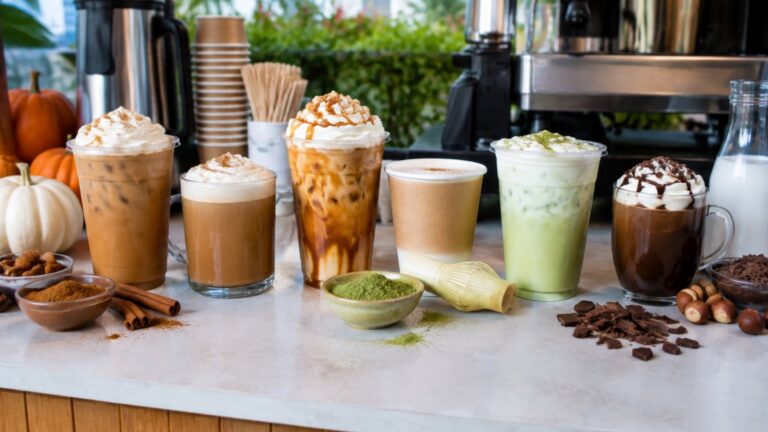
Add mochas for people who want sweetness built in. A mocha bridges the gap between coffee drinkers and those who’d rather have dessert.
Consider a signature drink tied to your gathering’s theme or brand.
Include Americanos for purists who want espresso and hot water, nothing else. Respecting that preference costs almost nothing.
Brewed Coffee and Cold Brew Options
Not everyone wants espresso-based drinks. A simple drip coffee station, regular and decaf, covers attendees who want straightforward, hot coffee.
Cold brew is a game-changer for office gatherings. It stays fresh longer than iced coffee made from hot brewed coffee, tastes smoother, and is less acidic.
For variety without overcomplication, offer two coffee blends: a light roast with acidity and origin flavors, and a dark roast with bold, smoky notes.
Small Office Coffee Station Ideas: Setup and Service Format
How you set up your coffee station shapes the entire experience. Two models dominate: self-service stations and staffed espresso bars.
Self-Service Station vs. Staffed Espresso Bar
A self-service station works best for groups under 40 people or events longer than two hours. Set up a table with drip coffee, cold brew, milk alternatives, sweeteners, and cups, and guests help themselves.
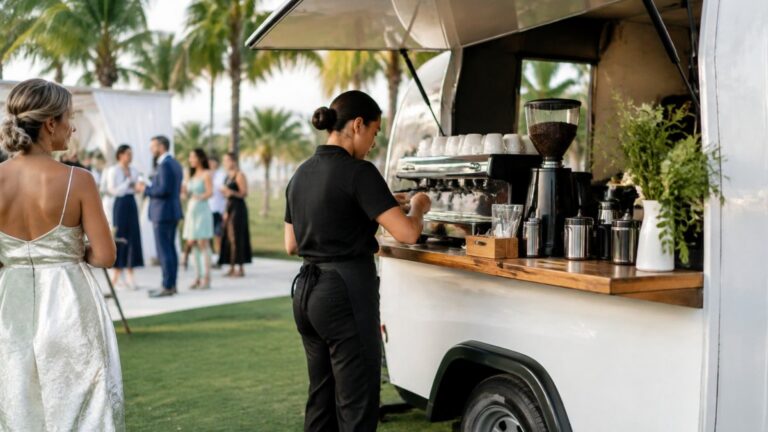
A staffed espresso bar creates a focal point and handles higher volumes. Colada Kulture Co. specializes in this format, and our mobile espresso bars bring the craft and professionalism that elevates a gathering from routine to remarkable.
For gatherings of 15 to 40, a hybrid approach often wins: a self-service station for drip coffee and cold brew, with one person handling espresso drinks on request.
Coffee and Snack Pairings for Your Gathering
Coffee tastes better alongside the right food. Pairing isn’t just about flavor, it’s about creating a complete experience that keeps people engaged with each other.
Sweet Pairings: Pastries and Desserts
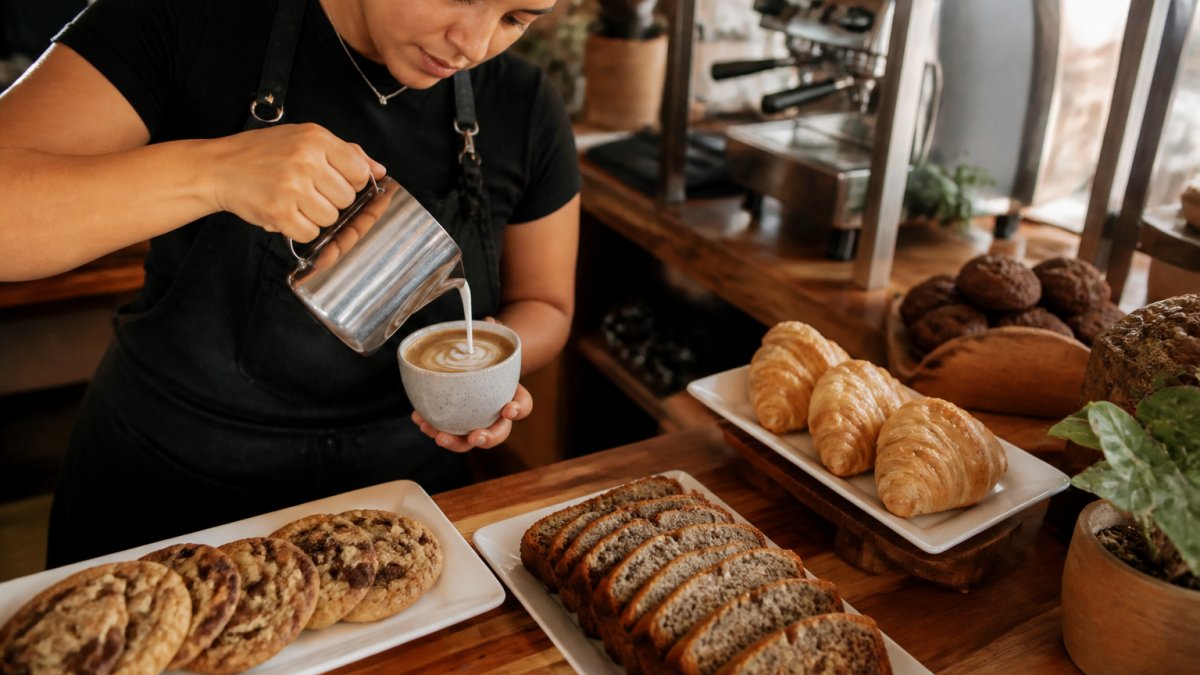
Pastries are the obvious choice for good reason.
Go deeper with banana bread or lemon cake. They feel homemade, stand out from standard pastries, and pair beautifully with both hot and iced coffee.
Cookies, particularly biscotti or chocolate chip, work well because they’re portable: guests can grab one, sip coffee, and keep talking.
Dark chocolate pairs exceptionally well with coffee, especially darker roasts. A small chocolate alongside coffee is a premium touch people notice.
Savory Options and Light Bites
Don’t skip savory items. A small savory selection prevents the menu from feeling one-note and accommodates people who don’t want sweets.
Mini quiches or savory tarts suit mid-morning or early-afternoon gatherings without requiring hot service.
Cheese and crackers are reliable: easy to source, zero preparation, and substantial enough for people who want more with their coffee.
Keep the savory selection limited, three to four options maximum. The goal is balance, not buffet-level variety.
Office Coffee Menu Ideas: Milk Alternatives and Dietary Choices
Dietary preferences and restrictions are standard, not edge cases. Build a base menu that is already inclusive, then add one or two labeled extras rather than maintaining separate menus for every need.
Build an Inclusive Base Menu
Start with choices that satisfy most restrictions by default:
- Milks: Offer whole milk, oat milk, and almond milk as baseline options. Oat milk has become the default non-dairy choice because it froths well and tastes neutral. Almond milk appeals to people managing calories or avoiding soy. Add soy milk only if you know attendees prefer it.
- Sweeteners: Offer regular sugar, a zero-calorie sweetener, and one syrup. Many people using alternative milks also prefer to avoid refined sugar, so a dairy-free and vegan-friendly syrup is a low-cost addition.
- Decaf: Keep a decaf drip option and decaf espresso available. Caffeine-free choices matter more than many hosts realize; some people avoid caffeine for health reasons, time of day, or personal preference.
Handle Common Allergens
For people with gluten sensitivities, source at least one gluten-free pastry or snack option and keep it on a separate plate with its own serving utensil.
For nut allergies, check labels on pastries and syrups. Almond milk and some flavored syrups contain nut ingredients.
For dairy allergies, confirm that non-dairy milks are stored in separate pitchers and that utensils are not shared with dairy milk.
Label every item at the station, not just the specialty ones. A small card reading “Oat milk, dairy-free” or “Gluten-free banana bread” takes seconds to make and removes guesswork for guests.
Menu Structure for Mixed Dietary Needs
Rather than building separate menus, structure one menu with clear labels:
- Drinks: Drip coffee (regular and decaf), cold brew, espresso drinks with choice of milk, tea, hot chocolate, water
- Sweet snacks: One standard pastry, one gluten-free option, one vegan option where possible
- Savory snacks: One cheese-based item, one item without meat, one item without gluten
This structure covers the most common needs with four to six items total. The key principle: offer alternatives that feel intentional, not like afterthoughts. When someone with dietary needs sees you’ve planned for them, they feel respected.
Quantities, Serving Calculations, and Budget Tiers
Undercounting coffee leads to disappointed guests and a rushed event. Overcounting wastes money and leaves you with excess. The fix is to plan from per-person consumption rates and then apply a budget tier that matches your format.
Serving Calculations by Gathering Size
Use these planning rates as a starting point, then adjust for time of day and event length.
- Coffee participation rate: Assume 70-80% of attendees drink coffee (Coffee Drinking Is Widespread in the United States, but Usual Intake Varies by Key…). At a morning gathering, lean toward 80%; at an afternoon gathering, lean toward 70%.
- Cups per coffee drinker: Plan 1.5 cups for a one-hour gathering, 2 cups for a two-hour gathering, and 2.5 cups for anything longer than three hours.
- Espresso-based share: If you offer both drip and espresso drinks, expect roughly 40-50% of coffee drinkers to choose espresso-based drinks when a barista is present.
Worked examples:
- 15 people, one-hour morning meeting: 12 coffee drinkers × 1.5 cups = 18 cups. Brew 24 cups (about 1.5 gallons) to allow for refills. Plan 25 snack pieces.
- 40 people, two-hour afternoon gathering: 28 coffee drinkers × 2 cups = 56 cups. If half choose espresso, plan 28 drip or cold brew servings and 28 espresso drinks. Plan 70 snack pieces.
- 75 people, three-hour celebration: 53 coffee drinkers × 2.5 cups = 133 cups. A staffed bar serving 60 drinks per hour can handle this in just over two hours; a self-service station needs two brewers running in parallel. Plan 120-140 snack pieces.
Brew in batches rather than all at once. Coffee held on a burner for more than 30 minutes develops a burnt taste. A common pattern is to brew half the estimated volume at setup and the second half 45 minutes into the event.
Budget Tiers and Cost per Person
Costs vary by market, vendor, and season, but the ranges below reflect common U.S. office catering patterns. Use them to set expectations, then confirm with local vendors.
Tier 1, Self-service basics (roughly $3-$6 per person)
- Drip coffee, regular and decaf, plus cold brew
- Whole milk and one non-dairy milk
- Sugar, stirrers, cups, napkins
Tier 2, Self-service plus espresso (roughly $8-$14 per person)
- Everything in Tier 1
- Espresso drinks made to order by one staffed barista or a supervised self-service espresso machine
- Three non-dairy milks and two syrups
Tier 3, Staffed espresso bar (roughly $15-$25 per person)
- Full espresso menu with a signature drink
- Professional barista and equipment
- Cold brew on tap or iced coffee station
These ranges are planning estimates, not quotes. Labor, equipment rental, and delivery fees can push a staffed bar toward the top of the range or above it. Always request an itemized quote before committing.
Where to Spend and Where to Save
For tight budgets, prioritize quality coffee (drip and cold brew) over multiple espresso drinks, one or two excellent snacks over a sprawling selection, and dietary basics (one non-dairy milk, one gluten-free option) over extensive alternatives. For events where the coffee experience is part of the draw, invest in a staffed bar and a signature drink; that is the line item guests remember.
Setup, Timing, and Cleanup Checklist
Execution matters as much as planning. A smooth setup and cleanup process keeps stress low and quality high.
Two hours before the gathering:
- Brew drip coffee if using a self-service model
- Set up the coffee station: cups, lids, stirrers, napkins, milk, sweeteners
- Arrange snacks on platters or in baskets
30 minutes before:
- Brew fresh cold brew or confirm it’s chilled and ready
- Restock cups, napkins, and condiments
- Do a final check: Is everything within arm’s reach? Are labels clear? Is the station visually appealing?
During the gathering:
- Monitor supply levels every 15-20 minutes
- Restock coffee, milk, and snacks as needed
- Keep the station tidy: wipe spills, clear empty cups, straighten items
Cleanup (immediately after):
- Remove perishable items
- Wipe down all surfaces
- Collect cups and napkins
For staffed espresso bars, your catering partner handles most of this. Colada Kulture Co. provides professional, trained staff delivering quality service. This eliminates logistics headaches and lets you focus on your gathering.
Conclusion
A thoughtful coffee menu transforms a small office gathering from routine into memorable. The formula is simple: include familiar drinks alongside one standout option, pair coffee with snacks that complement it, respect dietary preferences, and plan quantities carefully.
When you’re ready to move beyond a DIY coffee station, when you want consistency, professionalism, and a coffee experience that actually impresses, Colada Kulture Co. brings exactly that to your event. Our mobile espresso bars feature customizable drink menus, professional baristas, and the kind of attention to detail that turns coffee service into a genuine highlight of your gathering. Request a quote to explore how we can elevate your next corporate event, brand activation, or office celebration.
Frequently Asked Questions
How much coffee should you plan for a small office gathering?
Planning quantities depends on the number of guests, event duration, and time of day. It’s always wise to account for a high percentage of attendees enjoying coffee and to prepare a little extra to ensure everyone is served.
What are some ideas for a small coffee station in the office?
A compact coffee station can include a single espresso machine or pour-over setup, a thermal carafe of brewed coffee, a cold brew tap, and a milk station with whole, oat, and almond milk. Add syrups, sweeteners, and toppings in small containers. For a staffed option, a mobile coffee cart or barista station creates a memorable experience and handles volume efficiently. Keep the footprint tight by using vertical shelving and limiting your drink menu to 5-8 core options.
How can you accommodate different milk and dietary preferences?
Offer whole milk, oat milk, and almond milk as standard options. Include sugar-free syrups and sweetener alternatives for guests watching their intake. Label all dairy and non-dairy options clearly to prevent mix-ups. For dietary restrictions, ask attendees in advance about nut allergies, lactose intolerance, or vegan preferences. Provide oat milk as your primary non-dairy choice, it froths well and appeals to most preferences.
What foods pair well with coffee at an office event?
Sweet pairings like croissants, banana bread, cookies, and muffins are crowd favorites. Dark chocolate pairs exceptionally well with espresso drinks. For savory options, consider pastries, wraps, or bagels with cream cheese. Avoid heavy or greasy foods that can overwhelm the coffee’s flavor. Fruit cups and yogurt parfaits offer lighter, refreshing alternatives. Aim for a mix of sweet and savory to suit different tastes, and stick to items that don’t require much preparation or cleanup.
What should you include on a coffee menu for a work meeting?
A practical work meeting menu includes espresso, cappuccino, latte, Americano, and brewed coffee as core drinks. Add an iced coffee option and one seasonal specialty drink to keep things interesting. Offer at least two milk alternatives and basic syrups (vanilla, caramel, hazelnut). Include 2-3 pastry or snack options. Non-coffee drinkers appreciate herbal tea or matcha lattes. Keep the total menu focused to maintain speed and simplicity while still satisfying most preferences.