Table of Contents
- What Miami Is Famous For
- Best Time to Visit Miami and Seasonal Weather
- Things to Do in Miami: Neighborhoods, Beaches, and Attractions
- Cost of Living in Miami: What You Need to Know
Last Updated: August 8, 2026
What Miami Is Famous For
Miami is a vibrant coastal city known for its tropical climate, diverse cultural heritage, and world-class hospitality. The metropolitan area is synonymous with Art Deco architecture, pristine beaches, and a thriving culinary scene blending Latin American traditions with contemporary fine dining. The city attracts millions of visitors annually, from corporate travelers to couples planning luxury celebrations. At Colada Kulture Co., we’ve watched how this city’s cultural diversity and event-driven economy create unique opportunities for memorable experiences.
Miami serves as a major financial and business hub with infrastructure to handle large-scale events, conferences, and private celebrations. From South Beach’s iconic clubs to Wynwood’s art galleries, Miami offers distinct neighborhoods, each with its own character. Whether you’re planning a product launch in a downtown high-rise or a beachfront wedding reception, the city’s infrastructure and hospitality culture make it possible.
Best Time to Visit Miami and Seasonal Weather
The best time to visit Miami is the dry season from November through April, when temperatures hover around 75-85°F and humidity is manageable. This period is ideal for outdoor events and corporate gatherings, though venues fill up quickly. Book well in advance for major events during this window.
Summer (June through September) brings temperatures of 85-95°F with afternoon thunderstorms common. Hurricane season peaks in September and October, affecting both visitor travel and event logistics. Many corporate teams and couples schedule events outside this window to avoid weather complications.
The shoulder seasons of May and October offer more flexible venue availability and potentially better pricing. Indoor venues and professional event teams are equipped to handle unpredictable weather. For premium mobile catering services, the cooler months (November through April) work best, as equipment operates optimally and guest comfort is easier to maintain.
Things to Do in Miami: Neighborhoods, Beaches, and Attractions
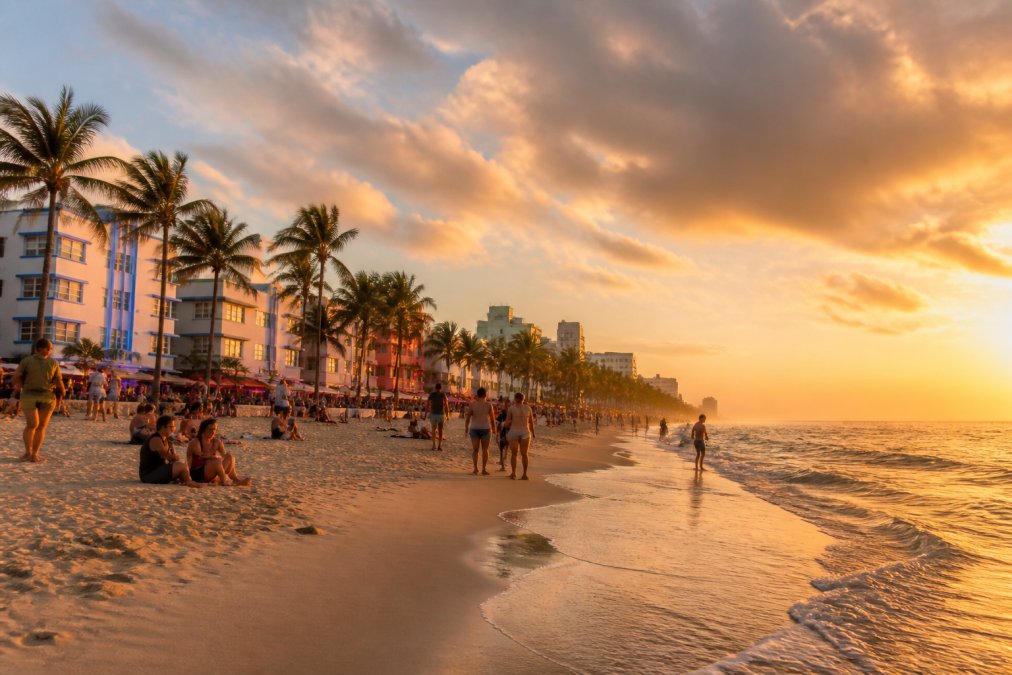
Miami’s neighborhoods each offer distinct experiences. South Beach remains the most famous, with its iconic Art Deco district, high-end shopping, and beachfront dining. Wynwood has transformed into an art and culture scene with colorful murals and creative spaces perfect for brand activations. Downtown Miami serves corporate teams with major office towers, convention centers, and upscale hotels supporting large-scale corporate events. Brickell offers luxury residential and commercial spaces with waterfront access.
The beaches provide primary attractions. Miami Beach offers developed infrastructure with lifeguard stations and water sports. Key Biscayne provides a quieter, more residential feel. Coconut Grove combines beach access with a bohemian atmosphere and casual dining.
Cultural attractions include the Pérez Art Museum Miami, the Vizcaya Museum & Gardens, and the Miami Design District. Little Havana preserves Cuban heritage with authentic restaurants and cultural events. These neighborhoods reflect Miami’s cultural diversity and explain why the city has become a destination for both leisure and professional events.
Cost of Living in Miami: What You Need to Know
Miami’s cost of living reflects its status as a major metropolitan area and tourism destination. Housing costs are significant, with rental prices and property values substantially higher than the national average. Fine dining establishments in South Beach and downtown command premium prices, with entrees often exceeding $30-40 per plate. Casual dining and local restaurants offer more affordable options, particularly in Little Havana or Wynwood.
For event planners budgeting catering services, costs depend on menu selections, guest count, and service level. Premium mobile catering services like Colada Kulture Co. offer customizable packages that scale with event size and drink selections.
Transportation includes vehicle ownership, parking, and public transit. Parking in downtown and beach areas can be expensive. Electricity costs are higher than the national average due to year-round air conditioning needs. Understanding these baseline costs helps inform overall event budgets and vendor selection.
Nightlife and Entertainment Districts
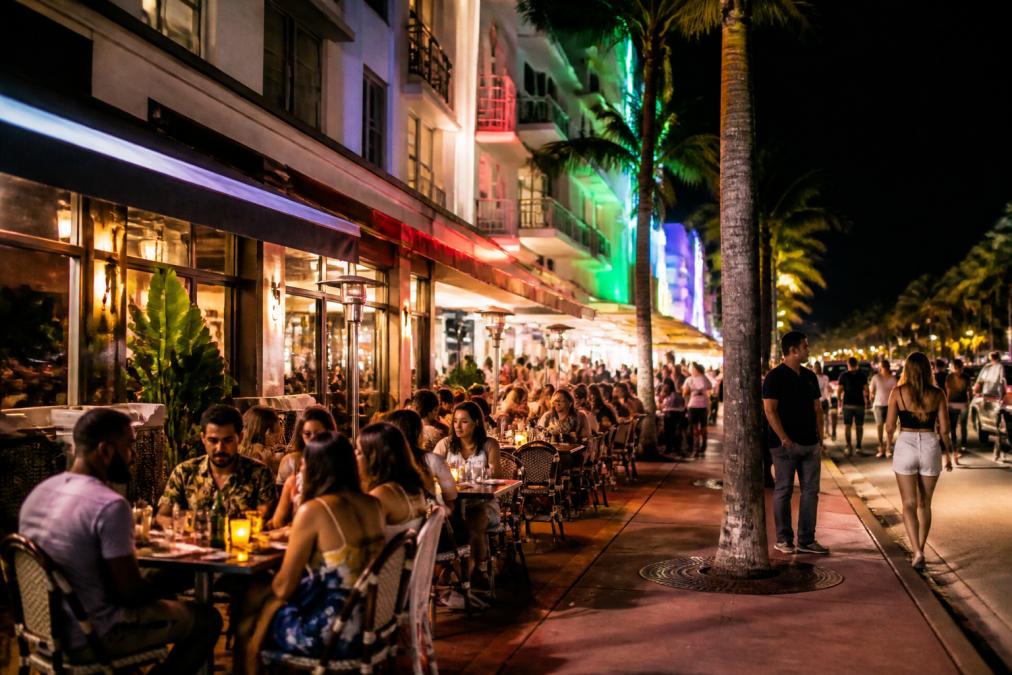
South Beach remains Miami’s most famous nightlife destination, hosting world-renowned clubs, rooftop bars, and beachfront lounges. The scene is particularly vibrant Thursday through Sunday. For corporate teams planning brand activations or product launches, South Beach offers high-visibility locations with built-in foot traffic.
Wynwood has emerged as a cultural hub with craft breweries, live music venues, and art galleries. The street art scene draws photographers and Instagram users, making it ideal for brands seeking authentic, creative backdrops. The atmosphere is more relaxed and artistic than South Beach’s mainstream club scene.
The Design District combines shopping, dining, and upscale entertainment with high-end restaurants and cocktail bars catering to affluent diners. Brickell’s entertainment scene centers on waterfront bars, rooftop venues, and upscale restaurants attracting finance and tech professionals.
Little Havana offers authentic Cuban dining and cultural experiences with live music venues featuring traditional Cuban bands and contemporary Latin artists. For those seeking cultural immersion, Little Havana provides genuine entertainment distinct from Miami’s mainstream tourist venues.
Miami’s combination of tropical climate, cultural diversity, and world-class hospitality infrastructure makes it ideal for visitors and event professionals. Whether you’re planning a corporate gathering, luxury wedding, or brand activation, the city offers venues and service providers equipped to deliver memorable experiences. For teams seeking premium mobile catering that matches Miami’s caliber of service, Colada Kulture Co. specializes in custom specialty coffee experiences designed to elevate any celebration. Our professional baristas and flexible menu options ensure your event stands out. Request a quote to explore how we can customize a beverage experience for your Miami event.
Frequently Asked Questions
What is Miami most famous for?
Miami is famous for its Art Deco architecture, vibrant cultural diversity, beautiful beaches, and tropical climate. The city's nightlife and entertainment scene, combined with its role as a major international business hub, make it a premier vacation destination and metropolitan area. Miami's waterfront lifestyle and coastal setting attract visitors seeking both urban resort amenities and outdoor recreation.
When is the worst time to visit Miami due to weather?
Hurricane season runs from June through November, with peak activity typically in September and October. This period brings high humidity, afternoon thunderstorms, and the risk of tropical weather systems. If you prefer comfortable conditions and lower rainfall, avoid these months. December through April offers the most pleasant weather with lower humidity and minimal rain.
Is $70,000 a year enough to live comfortably in Miami?
Living comfortably on $70,000 annually in Miami is challenging due to high housing costs, which consume a significant portion of income. After taxes, rent or mortgage payments, utilities, and transportation, discretionary income becomes limited. Many residents find they need higher salaries or multiple income sources to maintain a comfortable lifestyle. Your actual comfort level depends on neighborhood choice, housing type, and personal spending habits.
Do I need a car to get around Miami?
While a car provides convenience, Miami public transportation options include Metrorail, Metrobus, and Metromover services covering major areas. Downtown Miami and South Beach are navigable without a vehicle. However, many neighborhoods require a car for practical daily living. Rideshare services and bicycles offer alternatives, but car ownership remains common for most residents seeking flexibility and access to the broader metropolitan area.
This article was written using GrandRanker