Table of Contents
- Why Non-Alcoholic Wedding Drink Stations Matter
- Non-Alcoholic Wedding Bar Ideas That Work
- Setting Up a Wedding Mocktail Bar
- The Wedding Coffee Bar: A Premium Alternative
- Wedding Drink Station Without a Bartender: Self-Serve & Staffed Options
- Planning Quantities, Costs, and Logistics
- Making Your Non-Alcoholic Station Feel Festive and Memorable
- Frequently Asked Questions
Last Updated: October 10, 2026
Why Non-Alcoholic Wedding Drink Stations Matter
Non-alcoholic wedding drink stations create an inclusive celebration where every guest feels welcome, regardless of their drinking preferences. Whether someone is pregnant, in recovery, taking medication, or simply prefers not to drink alcohol, a thoughtfully designed beverage experience ensures they’re not sidelined with plain water while others enjoy signature cocktails.
Smart couples recognize non-alcoholic options as an opportunity to showcase creativity and thoughtfulness. A well-executed non-alcoholic wedding drink station becomes memorable, something guests actually look forward to and discuss afterward.
The key is offering variety, visual appeal, and drinks that taste genuinely good, not consolation prizes.
Non-Alcoholic Wedding Bar Ideas That Work
Combine a few signature options with self-serve stations that let guests customize their drinks.
Signature Mocktails and Zero-Proof Cocktails
Signature mocktails are intentional creations with a name, story, and visual identity that rival traditional cocktails in complexity and taste.
Build drinks around fresh citrus, herbs, and interesting syrups. A cucumber-mint cooler with fresh lime juice and sparkling water feels sophisticated; a berry drink with muddled raspberries, basil, and honey syrup creates depth. These work because they taste complete, not because they replicate alcohol.
One or two signature mocktails prevent decision paralysis, allow quick consistent preparation, and simplify your supply chain.
Lemonade and Flavored Beverage Stations
A lemonade station is one of the most popular additions to a non-alcoholic wedding drink station. Fresh lemonade made with real lemon juice feels refreshing and nostalgic.
Offer flavor variations: fresh berries, herb infusions, or flavored syrups. Lavender lemonade appeals to guests wanting something floral; strawberry-rhubarb works for spring weddings. This self-serve format reduces bartender workload while giving guests agency.
Flavored lemonades work especially well for outdoor or daytime weddings and photograph beautifully in clear glassware.
Sparkling Drinks and Citrus Spritzers
Sparkling beverages satisfy the desire for something celebratory. A citrus spritzer combines sparkling water, fresh citrus juice, simple syrup, and fresh herbs, with the fizz and elegance of champagne cocktails.
Offer variations: grapefruit-rosemary for herbal notes, blood orange-vanilla for warmth, or lemon-lime for straightforward refreshment. The sparkling element makes these feel celebratory, not compromised.
Tea and Iced Tea Options
A tea station works for any wedding. Offer both hot and iced tea options, cold-brewed iced tea is smooth and naturally sweet; hot tea appeals to guests wanting warmth.
Offer black tea, chamomile, jasmine green tea, and hibiscus. Guests can customize with lemon, honey, or mint. A peach iced tea becomes a signature beverage without complication.
Setting Up a Wedding Mocktail Bar
Position your mocktail bar where guests naturally flow: near the entrance, between ceremony and reception areas, or as a focal point during cocktail hour.
Stock quality glassware, fresh citrus, herbs, and pre-made syrups. Pre-batch signature mocktail bases to speed service and ensure consistency. Include garnishes like citrus wheels, mint, berries, and edible flowers, visual presentation matters as much as taste.
Your bartender should know each drink’s story and offer recommendations, transforming the bar into an experience. Customizations make guests feel valued.
The Wedding Coffee Bar: A Premium Alternative
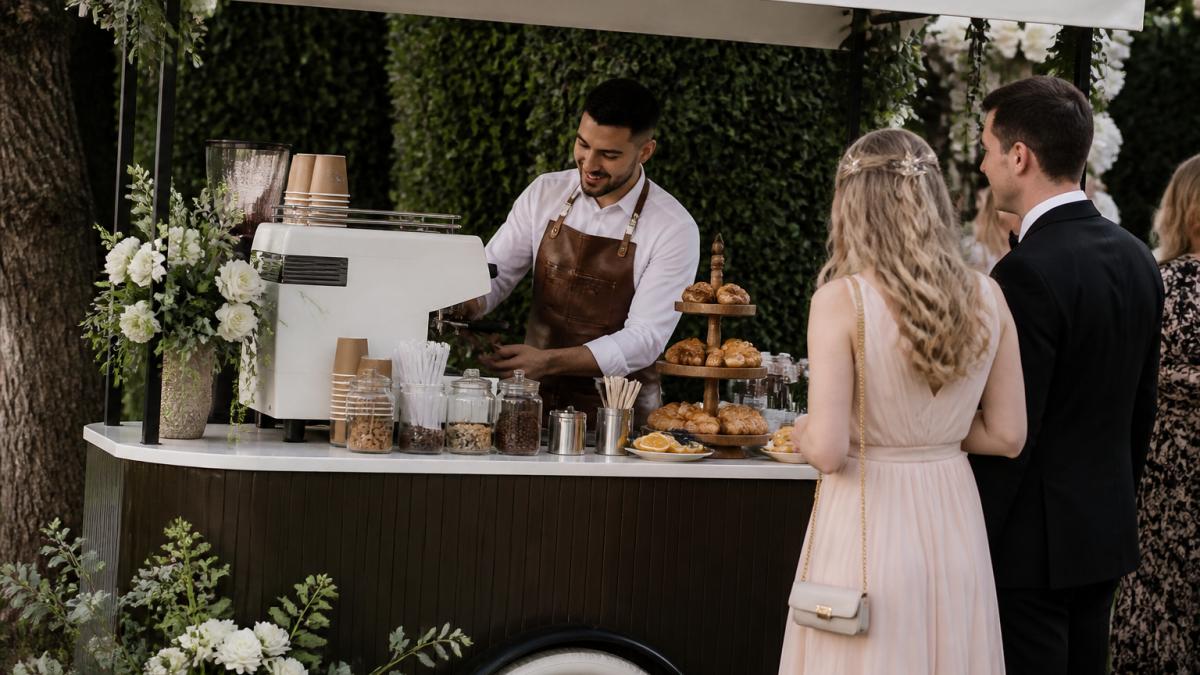
A wedding coffee bar elevates your non-alcoholic wedding drink station. A specialty espresso setup allows lattes, cappuccinos, flat whites, and specialty drinks that feel indulgent.
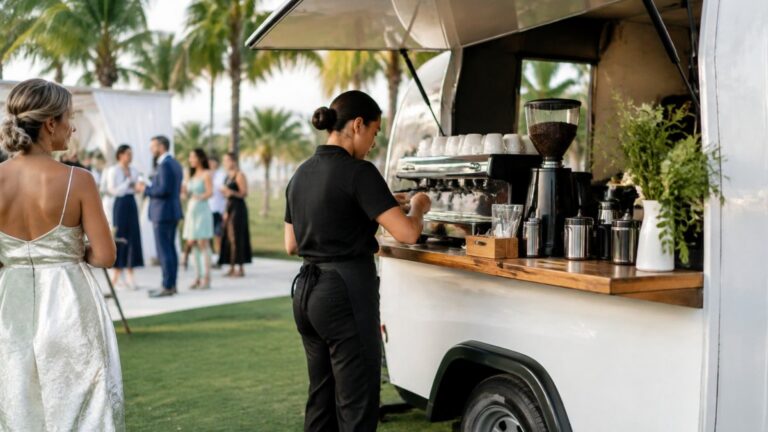
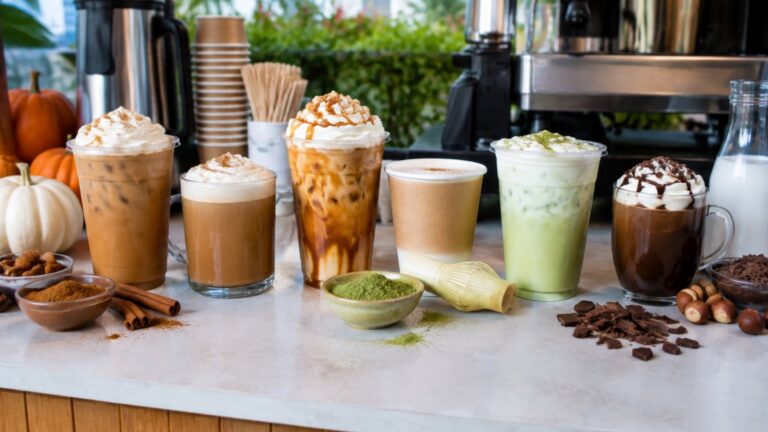
This option works especially well for afternoon or evening receptions. A mobile espresso bar with professional baristas creates a memorable experience, offering classic espresso drinks, matcha lattes, or seasonal flavors.
A mobile coffee setup offers flexibility and becomes a natural gathering point. Include chai lattes, hot chocolate, and iced drinks for non-coffee drinkers.
Wedding Drink Station Without a Bartender: Self-Serve & Staffed Options
Self-serve and lightly staffed formats demand careful design to prevent operational chaos and ensure guest satisfaction.
Self-Serve Station Design and Flow
Arrange components left to right: main beverage dispenser, flavor add-ins, glassware, ice, and garnishes. This guides guests through a logical sequence.
Use printed signage with drink name, brief description, and visual arrows. Include ingredient lists and allergen warnings on each station sign.
Use gravity-fed beverage dispensers with spigots. Position at counter height (36-42 inches) for accessibility. Provide a step stool or lower secondary dispenser for children and wheelchair users.
Managing Peak-Hour Bottlenecks
Prevent bottlenecks by: duplicating stations on opposite sides of the room; pre-filling 20-30 glasses with ice; limiting choices to 2-3 flavor variations; using multiple dispensers for high-volume stations (100+ guests).
Maintaining Garnish and Supply Freshness
Assign one staff member to refresh the station every 15-20 minutes: refill ice, replace wilted garnishes, top off dispensers, wipe spills, and monitor allergen labels.
Prepare garnishes in advance in sealed containers. For 100 guests over 4 hours, prepare 150-200 citrus wheels, 100+ herb sprigs, and 50+ edible flowers.
Hybrid Approach: Light Staffing for Polish
A hybrid model designates one person to monitor the station, suggest flavor combinations, assist with accessibility needs, prepare custom variations, manage supplies, and answer allergen questions.
This approach costs less than a full bartender ($15-$25/hour vs. $25-$40/hour) while maintaining a polished, attended feel.
Accessibility and Inclusive Design
Preventing Spills and Cross-Contamination
Minimize spills: use absorbent bar mats; provide napkins; use separate spoons for each add-in; replace spoons every 30 minutes; keep a mop nearby for floor spills.
Cost and Labor Comparison
Full self-serve: $0 labor, higher risk of spills and confusion (best for under 50 guests). Self-serve with monitor: $60-$150 labor, balances cost and polish (suitable for most weddings). Staffed bar: $100-$240 labor, highest quality (best for formal celebrations).
For most couples, the hybrid approach, self-serve with one attentive monitor, offers the best value and guest experience.
Planning Quantities, Costs, and Logistics
Calculating beverage quantities and costs requires more precision than a simple per-hour estimate. Here’s a practical framework:
Quantity Planning by Drink Type and Duration
For a 4-hour reception with 100 guests, assume 1.5 to 2 drinks per guest total (not per hour). This accounts for guests who skip drinks, those who have multiple, and natural variation.
Break this down by station type:
- Signature mocktails (staffed bar): 30-40% of total servings (45-80 drinks)
- Self-serve lemonade or iced tea: 25-35% (37-70 drinks)
- Sparkling water or spritzers: 15-25% (22-50 drinks)
- Coffee bar (afternoon/evening events): 10-20% (15-40 drinks)
For each signature mocktail recipe, calculate ingredient costs. A typical mocktail using fresh citrus, herbs, and simple syrup costs $1.50-$3.00 per serving in ingredients. A batch lemonade station costs $0.50-$1.00 per serving.
Ice and Refrigeration Requirements
Plan for 1 to 1.5 pounds of ice per guest for a 4-hour event. For 100 guests, order 100-150 pounds of ice.
For outdoor summer weddings, ice melts faster, increase your order by 25-50%. Position coolers in shaded areas and cover them to slow melting.
Batch Recipes and Make-Ahead Strategy
Prepare syrups, infusions, and juice bases 1-2 days ahead. A basic simple syrup (equal parts sugar and water, simmered and cooled) keeps refrigerated for 2 weeks. Herb-infused syrups (lavender, basil, rosemary steeped in simple syrup) last 5-7 days.
Example batch recipe for 100 guests (signature cucumber-mint mocktail, 50 servings):
- 12 oz fresh lime juice (about 8-10 limes, juiced fresh or 1-2 hours ahead)
- 8 oz cucumber-infused simple syrup (prepare 1 day ahead: muddle cucumber in simple syrup, strain, chill)
- 4 oz fresh mint simple syrup (steep mint in simple syrup 30 minutes, strain)
- 16 oz sparkling water (add at service time, not ahead)
- Fresh cucumber ribbons and mint sprigs for garnish
Mix the first three components in a large pitcher ahead of time. At service, add sparkling water in small batches to maintain carbonation. This approach lets your bartender pour and garnish quickly without measuring multiple ingredients per drink.
Staffing and Labor Logistics
A self-serve station requires minimal staffing: one person for 2-3 hours to refresh supplies and monitor cleanliness. A staffed mocktail bar needs a trained bartender for the full event duration; budget 1 bartender per 75-100 guests for efficient service.
If you’re combining multiple stations (mocktail bar + lemonade self-serve + coffee cart), assign one staff member to each high-traffic station during peak hours (cocktail hour and early reception).
Food Safety and Allergen Management
Label every drink station with ingredients, especially common allergens: tree nuts, sesame, sulfites (in some syrups), and gluten (if using certain syrups or additives). Keep all perishables (fresh juice, dairy in coffee drinks, fresh herbs) at 40°F or below (the CDC).
For outdoor events, cover all drink dispensers and garnish bowls to prevent contamination from insects or debris. Use food-grade containers and ensure all equipment is sanitized before setup.
Venue-Specific Logistics
Confirm with your venue:
- Refrigerator capacity and access hours (some venues lock kitchens after setup)
- Electrical outlets and water access for coffee bars or ice machines
- Table or counter space for drink stations (minimum 4-6 feet of linear space per station)
- Loading dock and equipment storage before and after the event
- Outdoor weather protection (tent or covered area for stations, especially in direct sun or rain)
- Waste disposal for citrus peels, ice, and used garnishes
For venues with limited infrastructure, rent a beverage cart with built-in coolers and serving surfaces, or use a mobile coffee truck that arrives fully equipped. These options reduce your setup burden and ensure reliable service even in challenging spaces.
Making Your Non-Alcoholic Station Feel Festive and Memorable
The presentation of your non-alcoholic wedding drink station determines whether guests see it as a thoughtful choice or a second-tier option. Invest in beautiful glassware, fresh garnishes, and attractive signage. A handwritten menu or chalkboard describing each drink makes the offerings feel intentional and curated.
Include garnishes that make drinks visually striking: citrus wheels, fresh herbs, edible flowers, or herb sprigs. These small details transform a simple drink into something Instagram-worthy. Guests are more likely to engage with a station that looks appealing and feels special.
Consider the sensory experience. Fresh herbs release aroma when touched, fresh citrus adds brightness, and beautiful glassware catches light. These elements combine to create a memorable experience that goes beyond just providing beverages.
Creating a thoughtful non-alcoholic wedding drink station shows your guests that you value their preferences and want them to feel celebrated. From signature mocktails to specialty coffee options, the variety of approaches available means you can design something that reflects your style and celebration.
If you’re planning a wedding in South Florida and want to elevate your beverage experience with premium options, Colada Kulture Co. offers custom mobile coffee bars and specialty drink services designed to create unforgettable moments. Our professional baristas can craft personalized drinks, from espresso-based specialties to creative non-alcoholic beverages, tailored specifically to your wedding vision. Request a quote to explore how we can make your celebration truly memorable.
Frequently Asked Questions
How many non-alcoholic drinks should you plan per wedding guest?
Plan for 2-3 drinks per guest over a 4-hour reception. For a 100-guest wedding, prepare 200-300 servings across all beverage options. Account for guests who drink multiple beverages and those who prefer water. A non-alcoholic wedding drink station typically sees higher consumption than traditional bars, so err toward the higher end if your guest list skews young or includes many children.
What makes a non-alcoholic wedding bar feel festive and celebratory?
Presentation is everything. Use pretty glassware, fresh garnishes (citrus wheels, herbs, berries), and custom signage with drink names. Offer signature mocktails alongside self-serve options so guests feel the celebration. Lighting, ice displays, and colorful ingredients make the station visually engaging. A staffed bar or professional barista, like those at Colada Kulture, adds energy and personalization that elevates the entire experience.
Can you set up a wedding drink station without hiring a bartender?
Yes. Self-serve stations work well for lemonade, iced tea, sparkling drinks, and punch, just provide clear signage and pre-mixed options. For more complex drinks like mocktails or specialty coffee, a staffed approach ensures quality and speed. A wedding drink station without a bartender requires careful planning: batch recipes, easy-to-use dispensers, and backup supplies. Many couples combine self-serve stations with a mobile coffee cart or professional barista service to balance cost and experience.
What’s the difference between a wedding mocktail bar and a coffee bar?
A wedding mocktail bar focuses on zero-proof cocktails, signature drinks, and creative beverages mixed on-site or pre-batched. A wedding coffee bar specializes in espresso drinks, lattes, cold brew, and matcha, ideal for morning or afternoon events. Coffee bars work especially well for daytime receptions, brunch weddings, or as a dessert station. Mocktail bars suit evening celebrations and pair well with cocktail-hour aesthetics. Many couples use both: coffee for the ceremony and reception, mocktails for the evening festivities.