Table of Contents
- What Is Espresso and What Is Drip Coffee?
- Brewing Methods: Espresso Bar vs Drip Coffee Extraction
- Caffeine in Espresso vs Drip Coffee: The Real Numbers
- Espresso Taste vs Drip Coffee Taste: Flavor Profiles Explained
- Equipment, Preparation Time, and Serving Size
- Cost of Espresso vs Drip Coffee: Home Equipment ROI
- Versatility and Environmental Impact
- Which Should You Choose? A Comparison Framework
Last Updated: July 27, 2026
What Is Espresso and What Is Drip Coffee?
Espresso and drip coffee are fundamentally different beverages created through distinct extraction methods. At Colada Kulture Co., we’ve served thousands of guests across Miami and South Florida, and this distinction shapes every drink we prepare.
Understanding Espresso
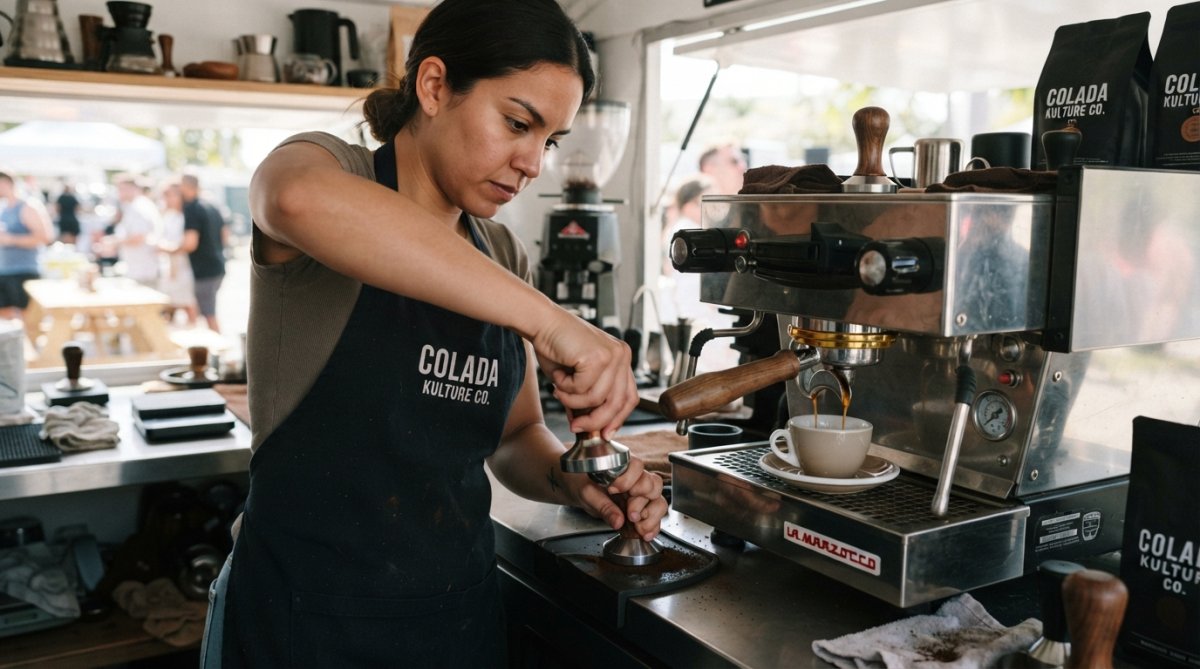
Espresso is a concentrated coffee beverage created by forcing hot water through finely ground coffee beans under high pressure. The process takes 25-30 seconds and produces a small, intense serving of 1-2 ounces, topped with crema, the golden-brown foam formed from emulsified oils and gases. A single shot contains roughly the same amount of coffee solids as an 8-ounce cup of drip coffee, compressed into a fraction of the volume.
A proper espresso machine applies 9 bars of pressure (roughly 130 pounds per square inch) to force water through the grounds. This high-pressure extraction creates the distinctive body, intensity, and crema that define the beverage. Grind size, tamping pressure, water temperature, and timing all influence the final shot’s quality.
The grind size for espresso must be precise. Too coarse and water rushes through without extracting enough soluble solids; too fine and the shot becomes over-extracted, tasting bitter and astringent.
Understanding Drip Coffee
Drip coffee is a filter-based brewing method where hot water passes through ground coffee and a paper or metal filter into a carafe below. Gravity pulls water through the grounds over 4-6 minutes, extracting flavor compounds. The result is 8-12 ounces per serving with a lighter body and more mellow flavor profile than espresso.
Brewing temperature typically ranges from 195-205°F, slightly cooler than espresso water temperature. The paper filter catches most oils and fine particles, resulting in a cleaner cup with less body than espresso. The brewing method is forgiving, small variations in grind size or water temperature rarely ruin the final cup, making drip coffee accessible to anyone with a basic coffee maker.
Brewing Methods: Espresso Bar vs Drip Coffee Extraction
How Espresso Extraction Works
A barista grinds beans to a fine consistency, loads them into a portafilter, and tamps with firm, even pressure. When the machine activates, it forces 9 bars of pressure through this puck for 25-30 seconds. During extraction, hot water dissolves soluble solids from the coffee grounds. The ideal extraction pulls roughly 18-22% of the ground coffee’s mass into the liquid, creating 8-10% TDS (total dissolved solids), significantly higher than drip coffee’s 1.2-1.5% TDS.
The pressure accelerates extraction, reducing brew time from minutes to seconds, and forces water through the grounds uniformly for consistent flavor. The high pressure also creates crema, the signature layer on top of a proper espresso shot. Without pressure, you cannot create crema, which is why home methods like the Moka pot produce espresso-like coffee but not true espresso.
Under-extraction produces sour, thin espresso that tastes acidic and incomplete. Over-extraction tastes bitter and astringent. The 25-30 second window is narrow, which is why espresso demands precision and practice.
How Drip Coffee Brewing Works
Hot water (195-205°F) is poured over a bed of medium-ground coffee. The water saturates the grounds, dissolving soluble compounds as it passes through. A paper or metal filter catches fine particles and oils, allowing only liquid to flow into the carafe below.
The bloom phase occurs in the first 30-45 seconds, when hot water hits the grounds and releases carbon dioxide gas, causing the coffee to expand slightly. This improves extraction by allowing water to penetrate the grounds more evenly. Water continues to drip through for 3-5 more minutes until the carafe is full. The extraction window for drip coffee is much wider than espresso, making it ideal for busy mornings and high-volume event catering.
Caffeine in Espresso vs Drip Coffee: The Real Numbers
A single espresso shot (1 ounce) contains approximately 63 milligrams of caffeine. A double shot (2 ounces) contains roughly 126 milligrams. An 8-ounce cup of drip coffee contains 95-200 milligrams of caffeine, depending on the brewing method and coffee-to-water ratio, typically more total caffeine than a single espresso shot, though less than a double shot.
Espresso delivers its caffeine in a concentrated dose, creating a more pronounced effect. Drip coffee delivers caffeine gradually as you sip the larger cup. From a per-ounce perspective, espresso contains about 63 mg per ounce versus 12-25 mg per ounce for drip coffee.
Lighter roasts contain slightly more caffeine than darker roasts, though the difference is minimal. Most specialty coffee shops use Arabica beans for both espresso and drip coffee, so roast level matters more than bean variety for most consumers.
Espresso Taste vs Drip Coffee Taste: Flavor Profiles Explained
Intensity, Body, and Mouthfeel
Espresso is intense. The concentrated extraction and high pressure create a bold, full-bodied beverage with significant mouthfeel. The flavor hits hard and fast, the cup feels thick and coating on your palate, and the finish lingers for several seconds. Drip coffee is mellow and approachable. The larger volume and lower concentration of solids create a lighter body with clean, crisp mouthfeel, especially if brewed with a paper filter that removes most oils.
Espresso’s full body makes it ideal for milk-based drinks. When you add steamed milk to espresso, the intensity cuts through the milk’s sweetness and fat, creating balanced beverages like lattes and cappuccinos. Drip coffee’s lighter body gets overwhelmed by milk.
Espresso’s intensity makes it the base for milk drinks; drip coffee’s approachability makes it ideal for sipping black or with light additions like cream or sugar.
Acidity and Roast Level Impact
Acidity in coffee is a desirable characteristic that creates brightness and complexity. Lighter roasts contain more acidity than darker roasts because the roasting process breaks down acidic compounds. Espresso’s concentrated nature amplifies acidity, while drip coffee’s larger volume dilutes it. Paper filters remove some oils and compounds that contribute to acidity and body, while metal filters allow more oils through, creating fuller body and more pronounced acidity.
For people with acid sensitivity, drip coffee brewed with a paper filter is often gentler. However, roast level matters more than brewing method for total acid content, a dark roast espresso is typically less acidic than a light roast drip coffee.
Equipment, Preparation Time, and Serving Size
Espresso Equipment Requirements
A proper espresso machine is a significant investment. Entry-level semi-automatic machines start around $299.95 and require manual milk frothing. Mid-range machines like the Breville Barista Express cost $549.95 and include an integrated grinder. Professional-grade machines cost $3,000-$15,000 or more.
Espresso also requires a burr grinder, tamper, and ideally scales and milk frothing tools. A good home espresso setup typically costs $800-$1,500. Preparation time is quick, 2-3 minutes from start to finish, but the learning curve is steep. New users often waste beans and water during the first weeks as they dial in grind size and tamping technique.
Drip Coffee Equipment and Setup
Drip coffee makers range from $30 budget models to $369 for premium machines like the Technivorm Moccamaster KBGV Select. A basic setup requires only a coffee maker and a burr grinder. Most people already own these items, making drip coffee accessible without additional investment.
Preparation time is longer than espresso but requires minimal active effort. You measure grounds, add water, press a button, and wait 4-6 minutes. A single drip coffee pot can serve 8-12 people, while espresso requires multiple shots to satisfy several guests. For event catering, drip coffee’s volume efficiency is significant.
| Aspect | Espresso | Drip Coffee |
|---|---|---|
| Equipment Cost | $300-$1,500+ | $30-$369 |
| Learning Curve | Steep (weeks) | Minimal (minutes) |
| Preparation Time | 2-3 minutes | 4-6 minutes |
| Active Effort | High (grinding, tamping, frothing) | Low (measure, press button) |
| Serving Size | 1-3 ounces | 8-12 ounces |
| Cups Per Batch | 1-2 | 8-12 |
| Best For | Individual specialty drinks | High-volume service |
Cost of Espresso vs Drip Coffee: Home Equipment ROI
Initial Equipment Investment
Espresso requires significant upfront investment. A decent semi-automatic machine costs $300-$600. Add a quality burr grinder ($150-$300), tamper ($20-$50), scales ($30-$100), and milk frothing tools ($20-$100). Your total initial investment reaches $520-$1,150.
Drip coffee’s entry barrier is lower. A good drip machine costs $100-$370. A burr grinder runs $50-$150. Your total investment is $150-$520. Quality espresso equipment lasts 10-15 years with proper maintenance, while drip machines typically last 5-8 years.
Per-Cup Cost and Long-Term Value
A pound of specialty coffee costs $12-$18 and yields roughly 16 cups. Your per-cup coffee cost is $0.75-$1.13, with water and electricity adding roughly $0.10-$0.15 per cup combined.
A café espresso shot costs $2-$4. A café drip coffee costs $2-$4. If you visit a café three times per week, you spend $312-$1,092 annually on coffee. A home espresso machine pays for itself in 3-6 months if it replaces café visits. A drip coffee maker pays for itself in 1-2 months.
Versatility and Environmental Impact
Recipe Versatility: Espresso vs Drip
Espresso is the foundation for most specialty coffee drinks. Lattes, cappuccinos, macchiatos, Americanos, and flat whites all start with espresso. Drip coffee is more limited in recipe applications but excels in batch brewing at events where you need to serve many people quickly. For pure coffee appreciation, many enthusiasts prefer drip coffee because it showcases the bean’s characteristics without espresso’s intensity.
At Colada Kulture Co., our event catering includes both espresso-based specialty drinks and batch-brewed drip coffee, allowing guests to choose based on their preferences.
Environmental Footprint
Espresso machines generate minimal waste, just used grounds. A typical espresso shot produces 18-20 grams of spent grounds, which are compostable.
Drip coffee’s environmental impact depends on filter type. Paper filters are biodegradable and compostable but require trees and chemicals for production. Metal filters are reusable and produce zero waste beyond grounds. Espresso machines maintain water temperature continuously, consuming 50-100 watts even when idle. Drip machines use energy only during brewing. Over a year, an espresso machine uses significantly more electricity, roughly $30-$60 annually for a typical household.
The most environmentally conscious choice depends on your priorities. A metal-filter pour-over or French press minimizes waste. A drip machine with paper filters is more energy-efficient than an espresso machine.
Which Should You Choose? A Comparison Framework
Best for Espresso Bars
Choose espresso if you want versatility, intensity, and specialty drink options. Espresso is ideal for people who enjoy lattes, cappuccinos, and other milk-based beverages and for those who appreciate the ritual and precision of coffee preparation. It appeals to coffee enthusiasts who want to develop skill and explore the craft. However, espresso demands commitment. You must invest in quality equipment, practice proper technique, and maintain your machine regularly.
Best for Drip Coffee
Choose drip coffee if you prioritize simplicity, consistency, and accessibility. Drip coffee is ideal for busy mornings, high-volume entertaining, and people who enjoy coffee for its flavor and caffeine without theatrical elements. It’s perfect for appreciating single-origin beans and tasting subtle flavor notes. The low barrier to entry makes drip coffee ideal for casual drinkers who brew coffee once or twice daily.
Elevate Your Event with Professional Coffee Service
For events in Miami and South Florida, professional event catering services like Colada Kulture Co. solve the espresso bar vs drip coffee decision by offering both options. Our mobile coffee carts feature full espresso machines for crafting specialty drinks alongside batch-brewed drip coffee for guests who prefer simplicity. Our trained baristas handle the technical precision of espresso preparation while managing high-volume service.
The real advantage of professional coffee service is eliminating your equipment investment and operational burden. We bring everything needed to serve exceptional coffee to your guests. Request a quote today and discover how professional coffee catering can elevate your celebration.
Frequently Asked Questions
What's the main difference between espresso bar and drip coffee brewing?
The primary difference lies in extraction method and pressure. Espresso uses 15-bar pressure to force hot water through finely ground coffee in seconds, creating a concentrated shot with crema. Drip coffee relies on gravity to slowly filter water through medium-ground coffee over 4-6 minutes, producing a larger volume of a more mellow beverage. These different brewing methods result in distinct flavor profiles, caffeine concentrations, and serving sizes.
Does espresso have more caffeine than drip coffee?
Per shot, espresso contains roughly 63-75 mg of caffeine, while an 8-oz cup of drip coffee contains 80-100 mg. However, espresso shots are much smaller (1-2 oz). If you compare by volume, a double espresso shot versus a full cup of drip, drip coffee delivers more total caffeine. The perception that espresso is more caffeinated comes from its intensity and concentration, not absolute caffeine content.
Why does espresso taste stronger than drip coffee if it has less caffeine?
Espresso tastes stronger due to higher concentration of soluble solids and a more intense flavor profile. The high-pressure extraction pulls more oils and compounds from the grounds in a shorter time, creating bold body and mouthfeel. Drip coffee, brewed with more water over longer time, produces a lighter, more forgiving cup. Taste intensity and caffeine content are separate, espresso's richness comes from its brewing method, not caffeine alone.
What equipment do I need to make espresso versus drip coffee at home?
Drip coffee makers are more affordable and forgiving, ranging from basic models under $100 to premium options like the Technivorm Moccamaster at $369. Espresso requires more precision: a machine with 15-bar pressure (like the Breville Barista Express at $549.95 or De'Longhi Dedica at $299.95), a grinder for proper grind size, and a tamper. Espresso demands barista skills, tamping, timing, and temperature control, while drip is more automatic.
Which brewing method is better for special events or catering?
For events like weddings and corporate gatherings, professional mobile coffee service, like a mobile espresso cart, offers flexibility and quality. Espresso bars allow customization with milk options (whole, oat, almond) and specialty drinks, while drip coffee serves larger groups efficiently. Many premium event services, such as Colada Kulture Co., offer both options with trained baristas to deliver consistent quality and memorable experiences tailored to your guest count and venue requirements.
This article was written using GrandRanker